The Traveler Hired the Wrong Tour Guide: A Deep Analysis
Introduction
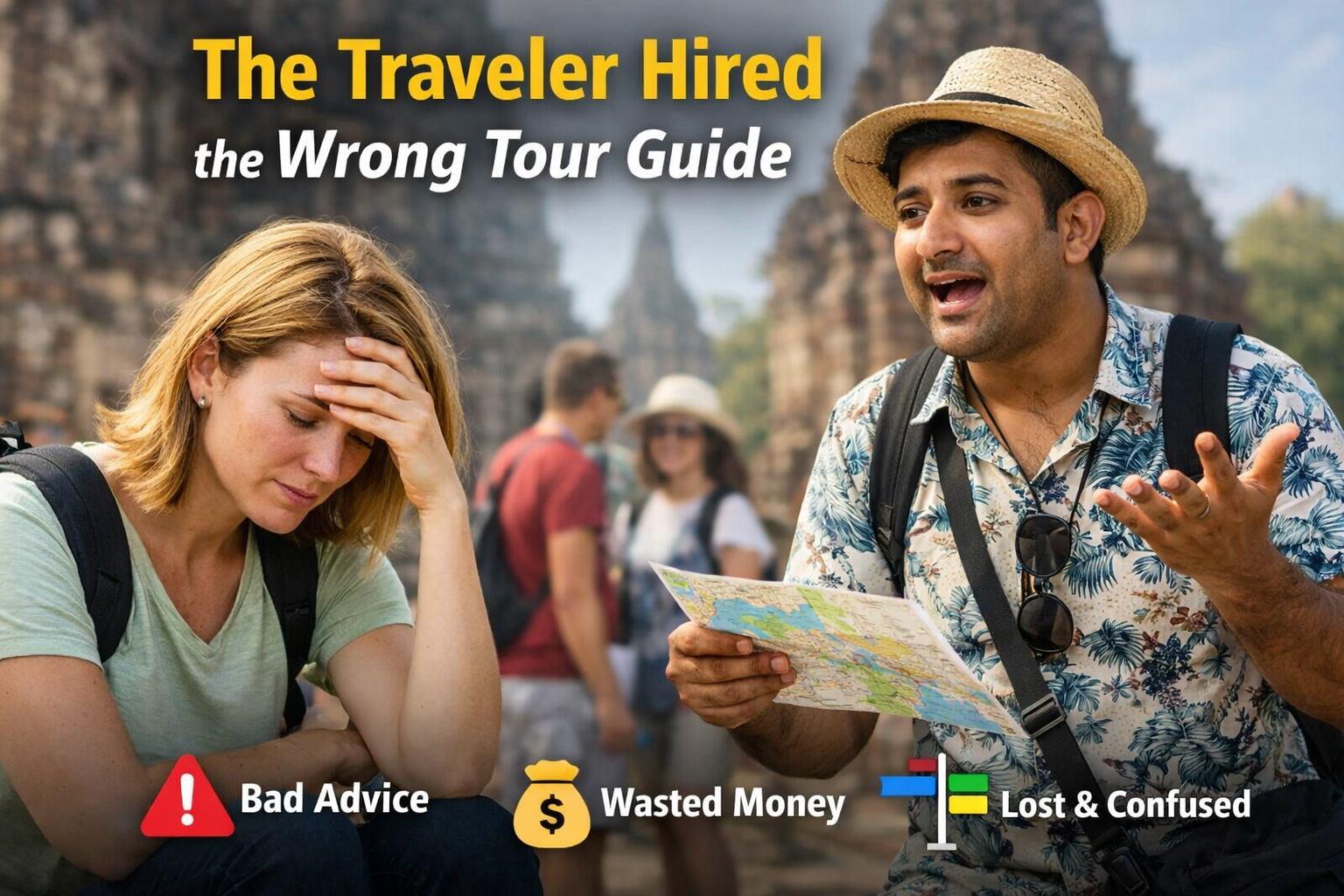
Travel is often imagined as a seamless blend of discovery, learning, and cultural immersion. Yet many journeys take an unexpected turn when the traveler hired the wrong tour guide. This situation is more common than most people admit, and its consequences can range from mild disappointment to serious financial loss or safety concerns.
This article explores the topic in depth with a people first and experience driven approach. It explains what it really means when a guide fails expectations, why it happens, how it affects travelers, and what lessons can be learned from real world scenarios. The goal is not fear but clarity, so future travelers can make better informed decisions.
Throughout this guide, the focus remains informational, grounded in observed travel industry practices, consumer behavior, and verified tourism standards. Where uncertainty exists, it is clearly stated rather than assumed.
What Does It Mean When a Traveler Hires the Wrong Tour Guide
Hiring the wrong guide does not always mean fraud or malicious intent. In most cases, it means a mismatch between expectations and reality.
This can include:
- A guide lacking local knowledge despite claiming expertise
- Poor communication skills that limit understanding
- Ignoring safety norms or legal regulations
- Providing misleading historical or cultural information
- Over prioritizing commissions from shops or vendors
For many travelers, especially first time international tourists, a guide represents trust. When that trust is misplaced, the entire travel experience can feel compromised.
Why This Problem Is More Common Than People Realize
Growth of Informal Tourism Markets
With the rise of online platforms and social media, anyone can market themselves as a local expert. While this democratizes opportunity, it also removes traditional vetting systems that once existed through licensed agencies.
In many destinations, especially developing tourism economies, enforcement of guide certification is inconsistent. This creates room for underqualified individuals to operate freely.
Tourists Often Research Destinations, Not Guides
Most travelers spend weeks choosing flights, hotels, and attractions. Far fewer spend time researching who will actually lead them on the ground.
Common assumptions include:
- All guides at tourist spots are officially trained
- Hotel recommended guides are always reliable
- Online reviews cannot be manipulated
These assumptions are understandable but not always accurate.
Real World Consequences of Hiring the Wrong Guide
Financial Loss and Hidden Costs
One of the most frequent complaints involves money. Travelers may be taken to specific shops where prices are inflated so the guide earns a commission. In some cases, unnecessary add ons are pushed aggressively.
While not illegal everywhere, this practice undermines trust and transparency.
Distorted Cultural Understanding
A guide is often the primary source of information about a place. When that information is inaccurate, biased, or oversimplified, travelers leave with a distorted view of the culture.
This is especially damaging for historical destinations where context matters deeply.
Safety and Legal Risks
In rare but serious cases, the wrong guide may:
- Ignore local safety advisories
- Enter restricted or unstable areas
- Fail to communicate emergency procedures
Common Red Flags Travelers Often Miss
Overpromising Without Details
If a guide promises exclusive access, secret locations, or guaranteed experiences without explaining how, caution is warranted. Legitimate guides explain constraints clearly.
Vague Credentials
Phrases like local expert or born and raised here are not qualifications by themselves. Experience matters, but structured training and updated knowledge matter more.
Resistance to Questions
A professional guide welcomes questions. Avoidance, irritation, or changing topics when asked about licenses or itinerary details is a warning sign.
How Mismatched Expectations Create the Wrong Outcome
Sometimes the guide is not incompetent but simply wrong for the traveler.
Examples include:
- A highly academic guide paired with casual vacationers
- A fast paced itinerary for elderly travelers
- A religious or political perspective that conflicts with visitor expectations
In these cases, the issue is alignment, not ability.
Clear communication before booking is often missing, especially in informal arrangements.
Also read about Kansas City Chiefs vs Arizona Cardinals Match Player Stats.
Psychological Impact on Travelers
Disappointment while traveling can feel more intense than disappointment at home. This is because travel is emotionally loaded with anticipation and investment.
Many travelers report:
- Regret over wasted time
- Embarrassment about being misled
- Hesitation to trust locals afterward
These emotional effects are rarely discussed but are important. Travel shapes memory, and negative guidance can overshadow positive moments.
Lessons Learned from Industry Observations
Based on travel industry patterns and consumer complaint data, several lessons emerge:
- Credentials matter more than charisma
- Reviews should be read critically, not emotionally
- Price alone is not a quality indicator
- Official tourism boards often maintain reliable guide lists
None of these guarantee perfection, but they reduce risk significantly.
How Travelers Can Reduce the Risk in the Future
Verify Before Booking
Check whether the destination requires licensed guides and how those licenses can be verified. Many countries publish this information publicly.
Ask Scenario Based Questions
Instead of asking how experienced are you, ask:
- How do you handle schedule changes
- What happens in case of bad weather
- How do you avoid crowded areas
The quality of answers reveals professionalism.
Trust Discomfort Signals
If something feels rushed, unclear, or evasive during initial communication, it rarely improves later.
When the Damage Is Already Done
If a traveler realizes mid tour that the guide is not suitable, options may be limited, but not nonexistent.
Possible steps include:
- Ending the tour early if safety is a concern
- Contacting the booking platform or hotel
- Reporting serious misconduct to local tourism authorities
While refunds are not always possible, reporting helps protect future travelers.
Ethical Responsibility of Guides
Professional guides carry ethical responsibility, not just logistical duties. They shape narratives, influence spending behavior, and represent their region.
Responsible guiding includes:
- Honest storytelling
- Respect for local communities
- Transparent pricing practices
- Continuous learning
When these principles are ignored, the profession itself suffers.
Frequently Asked Questions
Is hiring a local guide always risky?
No. Many local guides are excellent and deeply knowledgeable. Risk increases mainly when credentials and expectations are unclear.
Are licensed guides always better?
Licensing improves baseline standards, but personality and communication still matter. A license is necessary but not sufficient.
Can online reviews be trusted?
They can help, but they should be read in patterns rather than individually. Extreme praise or criticism deserves closer inspection.
What should a traveler do if a guide provides false information?
Politely disengage and cross check information independently. If misinformation is serious, report it through the booking channel.
Is it acceptable to switch guides mid trip?
Yes, if feasible. Personal comfort and safety take priority over politeness.
Conclusion
When the traveler hired the wrong tour guide, the issue often stemmed from lack of verification, unclear expectations, or misplaced trust rather than bad intentions. Understanding how guides operate, recognizing early warning signs, and valuing professionalism over convenience can significantly improve travel outcomes.
Travel remains one of the most enriching human experiences, but guidance matters. The right guide enhances perspective, while the wrong one can quietly erode it. Awareness is the difference.