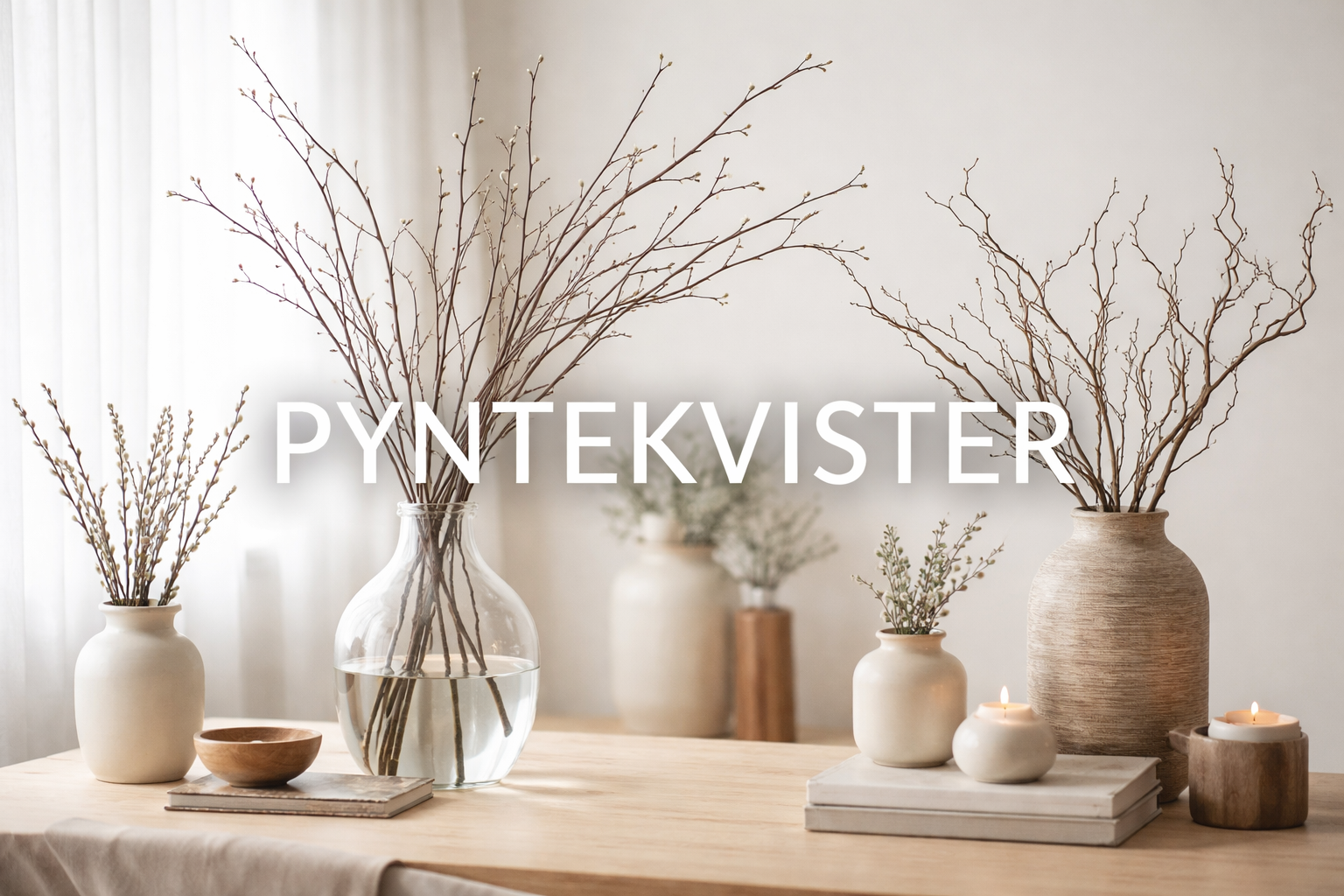
Pyntekvister: A Complete Guide to Decorative Branch Styling
Introduction
Pyntekvister is a Scandinavian term that refers to decorative branches or ornamental twigs used primarily in interior styling. While the word itself comes from Norwegian, the practice it describes is widely used across Nordic countries and has quietly become a global interior design trend.
People searching for Pyntekvister are usually looking for one of three things: a clear explanation of what it means, practical ideas for using decorative branches in their home, or guidance on choosing, preparing, and styling them in a way that feels intentional rather than random.
This guide is written to answer those needs directly. It focuses on real-world usage, honest limitations, and practical advice based on how Pyntekvister are actually used in homes, cafés, seasonal décor, and minimalist interiors.
What Are Pyntekvister?
Pyntekvister literally translates to decorative branches. In practice, it means carefully selected natural or artificial twigs used as visual elements rather than functional plant material.
These branches are usually displayed in vases, wall arrangements, table centerpieces, or seasonal installations. They are not meant to bloom or grow. Their value comes from shape, texture, and symbolism.
Common characteristics include:
- Bare or lightly leafed branches
- Natural curves or asymmetric forms
- Neutral or earthy colors
- Minimal processing to preserve an organic look
In Nordic design culture, decorative branches reflect simplicity, closeness to nature, and balance. They are often used instead of flowers because they last longer and require less maintenance.
Why Pyntekvister Are So Popular in Modern Interiors
The popularity of Pyntekvister is closely tied to changes in how people design their living spaces. Modern interiors prioritize calm, intentional choices rather than clutter.
Decorative branches fit this shift perfectly.
Minimal Effort, Strong Visual Impact
A single branch in a well-chosen vase can define an entire room. You do not need multiple decorative objects to make a space feel styled.
Connection to Nature
Many people want natural elements indoors without committing to high-maintenance plants. Branches provide a visual connection to nature without watering schedules or sunlight concerns.
Long Lifespan
Unlike flowers, ornamental twigs do not wilt. Properly dried branches can last for years, making them both cost-effective and sustainable.
Seasonal Flexibility
The same branch can be styled differently across seasons by changing placement, container, or surrounding elements.
Common Types of Branches Used as Pyntekvister
Not every branch works well for decorative purposes. Shape, durability, and texture matter more than species.
Birch Branches
Birch is one of the most commonly used materials in Nordic décor. Its light color and subtle texture work well in bright interiors.
Willow Twigs
Willow branches are valued for their flexibility and flowing lines. They are often used in tall floor vases.
Cherry or Apple Branches
These are sometimes used when dried carefully. They add a slightly rustic feel and are popular in seasonal displays.
Artificial Decorative Branches
High-quality artificial options are now widely available. When chosen carefully, they can look realistic and offer consistency in color and form.
How to Choose the Right Pyntekvister for Your Space
Choosing decorative branches is less about trends and more about balance and proportion.
Consider the Scale of the Room
- Tall ceilings benefit from long, vertical branches
- Small rooms look better with shorter, more compact arrangements
Match the Vase to the Branch
A common styling mistake is pairing a dramatic branch with a weak container. Heavy or textured branches need sturdy vases with visual weight.
Stick to One Statement Piece
Multiple branch arrangements in one room can feel chaotic. One well-placed display usually works better.
Also read about Dallas Cowboys vs Cleveland Browns Match Player Stats Explained.
Preparing Natural Branches for Indoor Use
If you collect branches yourself, preparation matters.
-
Cleaning
Remove dirt, insects, and loose bark. A soft brush usually works better than water.
-
Drying
Let branches dry slowly in a well-ventilated space. Rapid drying can cause cracking.
-
Optional Treatment
Some people lightly seal branches with natural oils or clear matte spray. This is optional and mostly aesthetic.
If you are unsure about treatment safety, it is better to leave branches untreated.
Styling Ideas for Pyntekvister in Real Homes
Decorative branches work best when they feel intentional rather than decorative for decoration’s sake.
Living Rooms
A tall branch arrangement near a window or sofa adds vertical interest without blocking light.
Dining Tables
Short branches placed horizontally in low containers create subtle centerpieces that do not obstruct conversation.
Entryways
Branches near the entrance create a welcoming first impression and visually ground the space.
Seasonal Styling
In winter, bare branches feel calm and reflective. In spring, lightly budding twigs can signal renewal without overpowering the room.
Challenges and Common Mistakes
Pyntekvister are simple, but not foolproof.
Overcrowding
Too many branches remove the sense of calm they are meant to create.
Poor Lighting Placement
Branches placed in dark corners lose their visual impact. Natural light enhances texture and form.
Ignoring Proportion
A small vase with oversized branches often looks accidental rather than styled.
Sustainability and Ethical Considerations
Many people choose decorative branches because they feel more sustainable than cut flowers. That can be true, but only when done responsibly.
Avoid stripping branches from living trees unnecessarily. Fallen branches or professional trimmings are better sources.
For a broader discussion on sustainable home décor materials, the U.S. Environmental Protection Agency provides guidance on responsible material use and waste reduction through its official resources at epa.gov.
Practical Maintenance Tips
One advantage of Pyntekvister is low maintenance, but they are not maintenance-free.
- Dust occasionally with a soft cloth
- Avoid humid environments to prevent mold
- Reposition every few months to refresh the look
Artificial branches should also be cleaned regularly, as dust buildup can make them look dull.
Frequently Asked Questions
What does Pyntekvister mean in English?
It refers to decorative branches or ornamental twigs used for interior styling rather than plant growth.
Are decorative branches better than flowers?
They serve different purposes. Branches last longer and require no water, while flowers offer color and fragrance.
Can I use real branches indoors safely?
Yes, if they are properly cleaned and dried. Avoid branches treated with chemicals or pesticides.
Do Pyntekvister fit modern interiors only?
No. They work well in minimalist, rustic, Scandinavian, and even traditional spaces when styled thoughtfully.
How long do decorative branches last?
Natural dried branches can last several years if kept dry and clean. Artificial ones can last even longer.
Conclusion
Pyntekvister are more than a design trend. They represent a slower, more intentional approach to decorating that values form, balance, and natural beauty. When chosen carefully and styled with restraint, decorative branches can transform a space without overwhelming it.
Their appeal lies in simplicity, longevity, and versatility. Whether used in a modern apartment or a traditional home, they offer a quiet visual language that feels grounded and timeless.