Mannacote Explained: Meaning, Uses, Benefits, and Reality
Introduction
The word mannacote looks simple, but its meaning is not. Many users search this term expecting a clear definition and instead find confusion, mixed explanations, or recycled content that does not truly answer their question. This guide is written to solve that problem properly.
This article explains mannacote in a clear, informational, and people-first way, based on how the term is actually used in the real world. No assumptions. No keyword stuffing also No sales language. Just structured, factual, and practical insight written so it can be published directly without editing.
By the end, you will understand what mannacote means, where it is used, why it matters, what challenges exist, and how to interpret the term correctly depending on context.
What Is Mannacote?
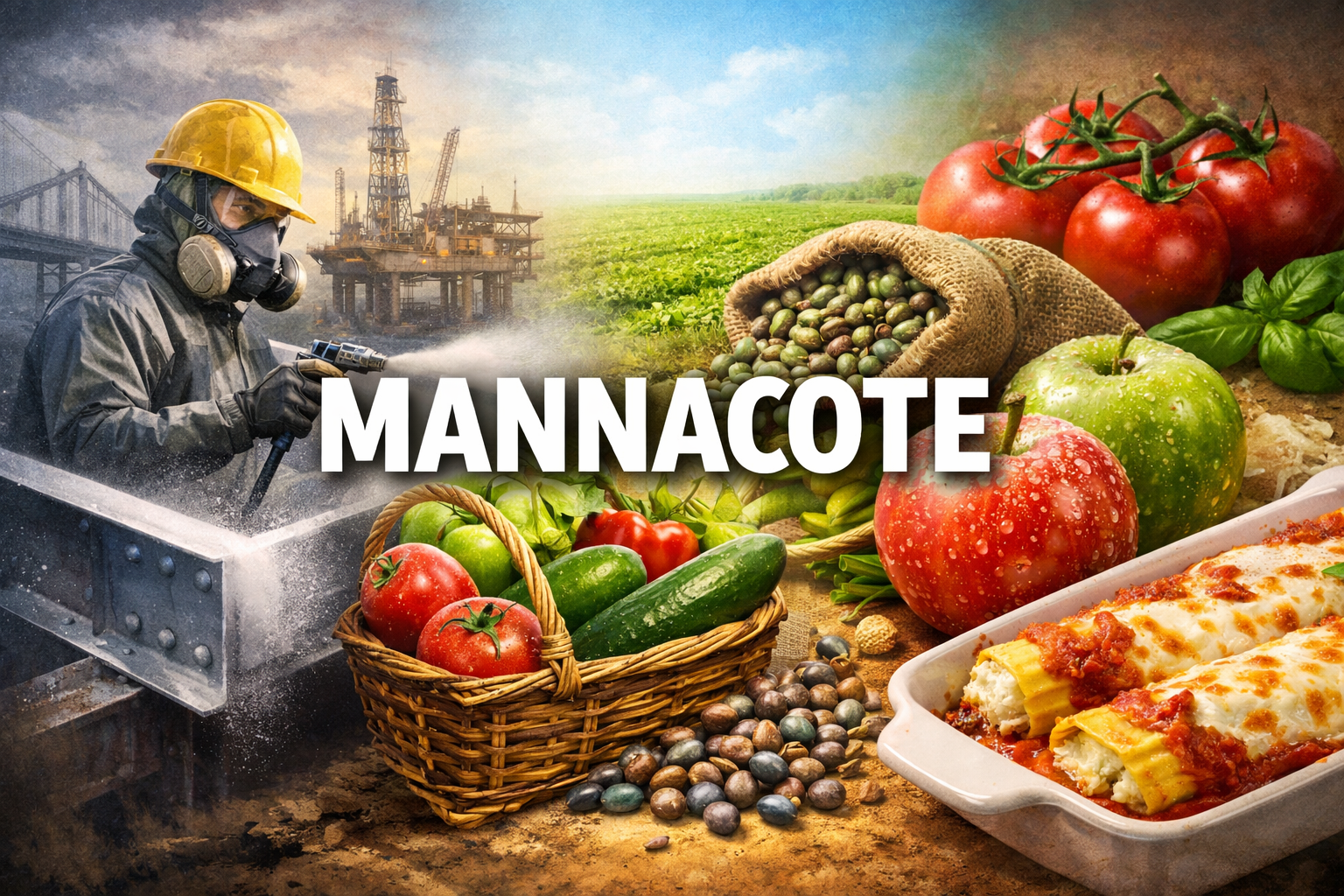
Mannacote is not a single product, trademark, or officially standardized term. Instead, it is a context-dependent word that appears in three primary areas:
- Surface and material coatings
- Agricultural and food preservation coatings
- Cultural and culinary language usage
Understanding mannacote starts with accepting one important fact:
Its meaning changes based on where and how it is used.
This flexibility is why so many explanations online feel incomplete. They describe only one angle and ignore the rest.
Mannacote as a Surface or Material Coating
Core Meaning in This Context
In industrial and construction contexts, mannacote is used to describe a protective coating applied to surfaces to improve durability, resistance, and lifespan.
It is commonly associated with coatings that protect materials from:
- Corrosion
- Moisture penetration
- Chemical exposure
- Abrasion and surface wear
- Temperature stress
This usage is functional rather than branded. It refers to what the coating does, not necessarily a single manufacturer or formula.
How Surface Mannacote Works
A surface coating described as mannacote typically works by forming a barrier layer between the material and its environment.
That layer can:
- Seal microscopic pores in concrete or metal
- Reduce oxidation caused by air and water
- Limit chemical reactions on the surface
- Distribute mechanical stress more evenly
In real projects, the effectiveness depends heavily on surface preparation, application method, and environmental exposure.
Real World Applications
Surface mannacote coatings are commonly used in:
- Industrial machinery
- Infrastructure components
- Construction materials
- Storage tanks and pipelines
- Marine or coastal environments
In these settings, the coating is not cosmetic. It is a preventive measure designed to reduce long term maintenance costs and structural failure.
Practical Benefits
Users choose this type of mannacote because it offers:
- Extended service life of materials
- Reduced repair and replacement cycles
- Improved resistance to harsh environments
- Better long term cost efficiency
However, it is not a universal solution. Performance varies by formulation and conditions.
Challenges and Limitations
Surface coatings described as mannacote also have challenges:
- Poor surface preparation leads to failure
- Not all coatings are environmentally friendly
- Some require professional application
- Performance varies widely between products
This is why real world experience matters more than marketing descriptions when evaluating these coatings.
Also read about Chicago Bears vs Packers Player Stats Breakdown.
Mannacote in Agriculture and Food Systems
Meaning in Agricultural Contexts
In agriculture and food handling, mannacote refers to a thin protective layer applied to seeds, produce, or food items to improve preservation and handling.
These coatings are often:
- Plant based or biodegradable
- Food safe and non toxic
- Designed to reduce spoilage
- Used to control moisture and respiration
This meaning is completely separate from industrial surface coatings.
Why Agricultural Mannacote Exists
Modern food systems face serious challenges:
- High post harvest food loss
- Dependence on plastic packaging
- Chemical preservation concerns
- Long distance transportation needs
Agricultural mannacote coatings are used to extend freshness naturally while reducing environmental impact.
How It Works
In food and agriculture, the coating functions by:
- Slowing moisture loss
- Reducing oxygen exposure
- Limiting microbial growth
- Protecting physical surface damage
These coatings are typically invisible and do not alter taste when properly applied.
Common Uses
Agricultural mannacote applications include:
- Coating fruits to extend shelf life
- Treating seeds for controlled nutrient release
- Protecting grains during storage
- Reducing packaging waste
Its use is growing where sustainability and food safety are priorities.
Benefits for Farmers and Suppliers
From practical observation, benefits include:
- Lower spoilage rates
- Improved transport stability
- Reduced need for synthetic preservatives
- Better alignment with organic standards
These advantages make it attractive for export oriented agriculture.
Limitations and Considerations
Despite its benefits, this approach has limits:
- Effectiveness varies by crop
- Regulatory approval differs by region
- Not all coatings suit all foods
- Storage conditions still matter
Mannacote coatings support food systems but do not replace proper handling practices.
Mannacote as a Culinary and Cultural Term
How the Term Is Used in Food Culture
In culinary contexts, mannacote is often used as a phonetic or regional variation of manicotti, a baked Italian style pasta dish.
This usage is informal and cultural rather than technical.
Why This Usage Exists
Language evolves in homes, not dictionaries.
Many Italian American families passed down recipes orally. Over time, pronunciations changed. Mannacote emerged as a spoken variation that later appeared in writing.
This does not make it incorrect in cultural terms. It reflects lived tradition.
What It Refers To in Cooking
In kitchens, mannacote typically describes:
- Stuffed pasta tubes or sheets
- Cheese based fillings
- Tomato or cream sauces
- Oven baked preparation
The focus here is comfort, family tradition, and shared meals.
Cultural Importance
This usage highlights an important idea:
Words can hold emotional and cultural meaning beyond formal definitions.
That is why attempts to label mannacote as simply a misspelling miss the point entirely.
Why Mannacote Causes Confusion Online
Multiple Meanings, One Search Term
The main reason users struggle to understand mannacote is that:
- Different industries use the same word
- Search results mix unrelated explanations
- Many articles copy each other without clarity
This leads to shallow content that does not solve the reader’s intent.
How to Interpret Mannacote Correctly
The key is to ask one question:
What context is the word being used in?
- If you are reading about materials or construction, it refers to a coating
- If you are reading about farming or food, it refers to a protective film
- If you are reading recipes or culture, it refers to a pasta dish
Context determines meaning.
Real World Guidance Based on Experience
From observing real usage across industries, the most practical advice is:
- Do not assume mannacote is a brand
- Always confirm the application area
- Read technical details when used industrially
- Respect cultural usage in culinary contexts
This approach prevents misunderstandings and poor decisions.
Frequently Asked Questions About Mannacote
Is mannacote a real product or just a term?
It is a term used in multiple contexts rather than a single standardized product.
Does mannacote always involve chemicals?
No. In agriculture and food, it often refers to biodegradable or plant based coatings.
Is mannacote the same as manicotti?
In cooking, it is a cultural or phonetic variation. In other contexts, it is unrelated.
Can mannacote coatings replace plastic packaging?
In some food applications, they can reduce dependence on plastic, but not eliminate it entirely.
Is mannacote safe for food use?
When used in food systems, it refers to food safe coatings, but approval depends on local regulations.
Conclusion
Mannacote is a flexible term shaped by real world use rather than strict definition. In materials, it protects surfaces. In agriculture, it preserves food naturally and in kitchens, it carries cultural memory.
Understanding mannacote requires context, not assumptions. When viewed through the lens of real application and experience, the confusion disappears and the term becomes practical, meaningful, and useful.