Soppressata Explained: History, Types, Taste, and Uses
Introduction
Soppressata is a traditional Italian cured meat that often sparks curiosity among food lovers, home cooks, and culinary researchers alike. People usually search for it to understand what it is, how it tastes, how it differs from similar cured meats, and how it can be used safely and authentically in everyday cooking. This article is written to answer those questions in depth, using real culinary knowledge, historical context, and practical experience rather than surface level descriptions.
As someone who has worked closely with traditional European charcuterie methods and studied regional Italian food culture, I have found that this product is frequently misunderstood outside Italy. It is often confused with salami, oversimplified in grocery descriptions, or stripped of its regional identity. The goal here is to explain it clearly, accurately, and in a way that genuinely helps the reader.
What Is Soppressata
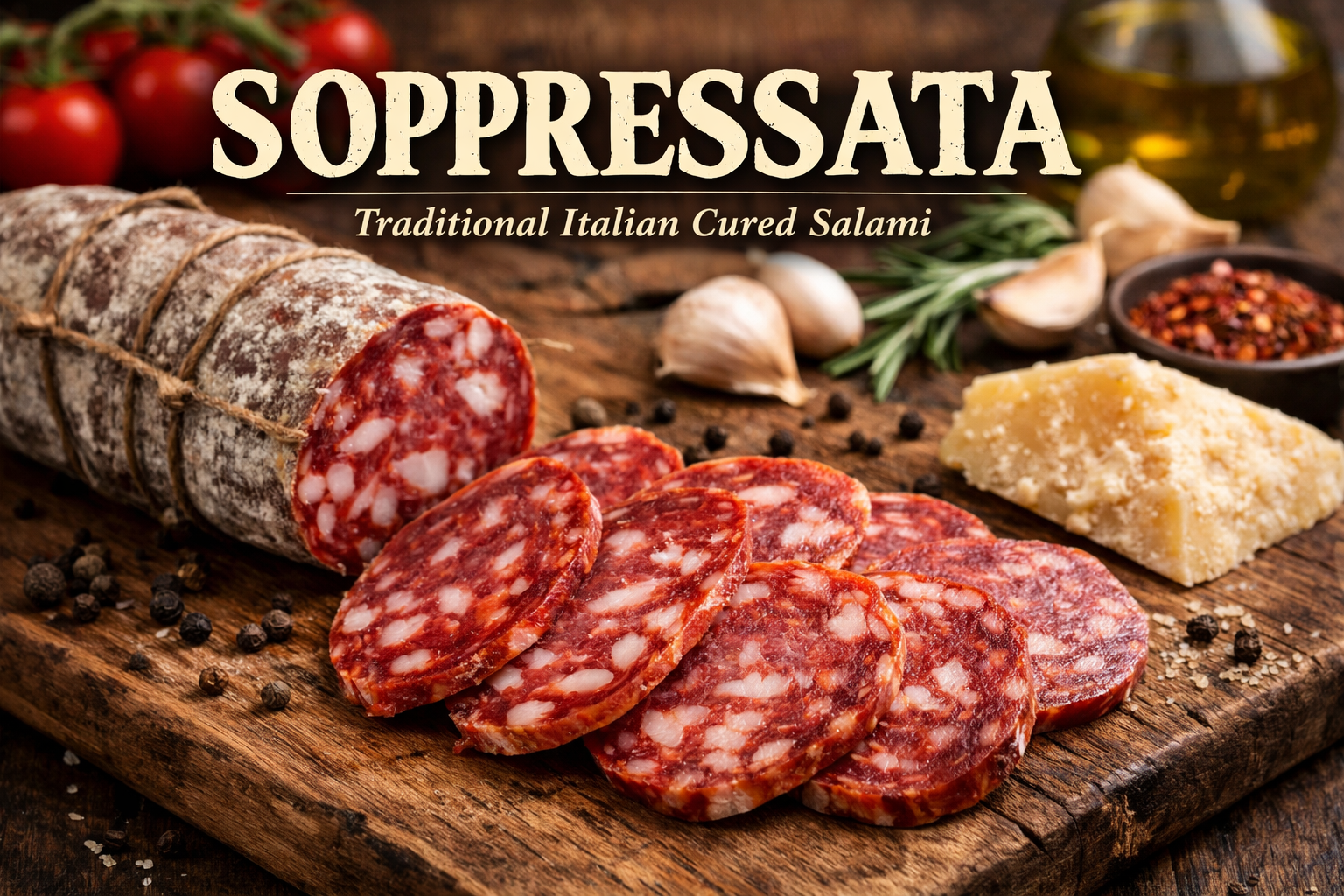
Soppressata is a dry cured Italian sausage made primarily from pork. It originates from southern and central regions of Italy, where curing meat was historically a necessity for food preservation rather than a luxury. The name comes from the Italian word meaning pressed, which refers to the traditional process of pressing the sausage during curing to give it a flatter shape and denser texture.
Unlike many mass produced sausages, this cured meat is not a single standardized product. Its ingredients, seasoning, texture, and even shape vary by region, household tradition, and climate. That regional diversity is a key part of its identity and cultural value.
At its core, it is made from coarse ground pork, salt, and spices. The meat is stuffed into natural casings, fermented, pressed, and then air dried for weeks or months depending on the style.
Historical and Cultural Background
The origins of soppressata are deeply tied to rural Italian life. In southern Italy, especially in Calabria, Basilicata, Apulia, and parts of Tuscany, families would slaughter pigs once or twice a year. Nothing was wasted. Fresh cuts were eaten quickly, while the rest were preserved using salt, airflow, and time.
This sausage became a way to preserve prized cuts of meat through the winter. Over generations, each region refined its own version based on climate, available spices, and local taste preferences. In warmer regions, spicier versions emerged because chili peppers helped inhibit harmful bacteria. In cooler areas, milder seasoning and longer curing times were common.
Even today, many Italian families still prepare it at home using inherited recipes. That tradition is one reason why authentic versions taste noticeably different from industrial imitations.
How Soppressata Is Made
Understanding how it is made helps explain its texture, flavor, and shelf stability.
Meat Selection
Traditionally, producers use high quality pork cuts such as shoulder and ham, sometimes mixed with fattier portions like belly. The balance of lean meat and fat is critical. Too lean and the sausage becomes dry. Too fatty and it can spoil or lose structure.
Grinding and Seasoning
The meat is coarsely ground, not finely emulsified. This gives the sausage its distinct bite and visible chunks of fat. Seasonings vary but commonly include:
- Sea salt
- Black pepper
- Garlic
- Fennel seeds in some regions
- Dried chili peppers in southern styles
- Red wine in certain traditional recipes
No artificial binders are used in traditional methods.
Fermentation and Pressing
After stuffing into casings, the sausages are left to ferment at controlled temperatures. During this stage, beneficial bacteria lower the pH, making the meat safe to cure.
Pressing happens during or after fermentation. The sausages are weighted or flattened by hand, which removes air pockets and creates the characteristic shape.
Drying and Aging
The sausages are hung in ventilated spaces and left to dry. Depending on humidity, temperature, and thickness, this process can last from several weeks to several months. The result is a firm, sliceable cured meat with complex flavor.
Regional Varieties and Styles
There is no single universal version. Below are some of the most recognized regional interpretations.
Calabrian Style
This is one of the most famous versions. It is typically spicy, colored deep red from chili peppers, and intensely flavorful. The heat level can vary from mildly warm to very hot depending on the producer.
Tuscan Style
Tuscany produces a milder version with less spice and more emphasis on black pepper and garlic. The flavor is balanced and earthy rather than fiery.
Basilicata and Apulia
These regions offer versions that fall between Calabrian heat and Tuscan subtlety. Some include wild herbs or local wine in the seasoning.
Each style reflects local climate, agricultural habits, and taste preferences. That diversity is part of what makes this cured meat culturally significant.
Also read about Eminem Net Worth 2025 Explained in Depth.
Flavor Profile and Texture
The flavor is savory, rich, and slightly tangy due to fermentation. The spice level depends on the region, but even non spicy versions have depth from garlic and pepper.
Texturally, it is firmer than fresh sausage but not as hard as long aged salami. The coarse grind gives a satisfying chew, and good versions melt slightly on the tongue as the fat warms.
Compared to many supermarket sausages, the flavor is cleaner and more pronounced because it relies on meat quality rather than additives.
Nutritional Considerations
Like most cured meats, soppressata should be eaten in moderation. It is high in protein and fat, and it contains sodium due to the curing process.
However, traditionally made versions contain no artificial preservatives, fillers, or sugars. When sourced from reputable producers, it can be part of a balanced diet when consumed occasionally.
People sensitive to salt or with dietary restrictions should check labels carefully, especially with imported or industrial versions.
How It Is Used in Cooking and Serving
One of the most common questions is how to use it properly.
As a Charcuterie Item
The most traditional way is thinly sliced and served at room temperature. This allows the fat to soften and the aromas to open up. It pairs well with:
- Rustic bread
- Mild cheeses
- Olives
- Simple vegetables
In Cooking
While often eaten uncooked, it can also be used in cooked dishes. Chopped pieces add depth to pasta sauces, stews, and egg dishes. Cooking mellows the spice and releases aromatic fats.
In Modern Cuisine
Chefs often use it as a flavor accent rather than a main ingredient. A few slices can transform pizza, sandwiches, or grain bowls by adding umami richness.
Common Challenges and Misconceptions
Confusing It With Salami
While both are cured sausages, soppressata is not just another salami. Its pressing process, regional spice blends, and texture set it apart.
Quality Variability
Outside Italy, quality can vary widely. Some versions are over processed or heavily preserved, which strips away traditional character.
Storage Confusion
People often refrigerate it immediately. While refrigeration is fine after opening, whole dry cured sausages are traditionally stored in cool, dry environments before cutting.
Food Safety and Authenticity
Authentic production relies on precise salt ratios, fermentation control, and airflow. According to the United States Department of Agriculture, properly cured and fermented sausages are safe when produced under controlled conditions and following established food safety standards. You can learn more about cured meat safety guidelines from the USDA Food Safety and Inspection Service.
How to Identify a High Quality Product
When buying soppressata, look for:
- Simple ingredient lists
- Visible pieces of fat and meat
- Natural casings
- A firm but not rock hard texture
- A balanced aroma without sharp chemical smells
Artisan producers often list curing time and region of inspiration on the label, which is a good sign.
FAQs
Is soppressata always spicy?
No. While many southern Italian versions are spicy, others are mild and rely on garlic and black pepper instead.
Is it safe to eat without cooking?
Yes, when properly cured and produced following food safety standards, it is meant to be eaten without cooking.
How is it different from pepperoni?
Pepperoni is an American product with finer grind, added sugars, and a different spice profile. Soppressata is coarser and more regionally specific.
How long does it last after opening?
Once sliced, it should be wrapped tightly and refrigerated. It is best consumed within two to three weeks for optimal flavor.
Can it be frozen?
Freezing is possible but not recommended because it can affect texture and aroma.
Conclusion
Soppressata is more than just a cured sausage. It is a reflection of regional Italian history, practical food preservation, and deeply rooted culinary tradition. Its flavor, texture, and preparation methods vary widely, which is why understanding its background matters. When chosen carefully and enjoyed thoughtfully, it offers a unique and authentic taste of Italian food culture that goes far beyond generic deli meat.