Telemetryczny: Meaning, Uses, and Real-World Impact
Introduction
The term telemetryczny is increasingly appearing in technical documentation, industrial systems, healthcare devices, and data driven platforms. Yet for many readers, its meaning remains unclear or only partially understood. This article explains what telemetryczny means, where it is used, what benefits and limitations it brings, and how organizations apply telemetry based systems responsibly in the real world.
The goal here is simple and people first. If you searched for this term, you likely want a clear definition, practical understanding, and trustworthy context, not abstract theory or keyword heavy fluff. Everything below is written so it can be published directly without modification.
What Does Telemetryczny Mean?
Telemetryczny is derived from the concept of telemetry, which refers to the automated collection and transmission of data from remote or distributed sources to a central system for monitoring and analysis.
In practical terms, telemetryczny describes systems, devices, or processes that are:
- Capable of measuring data remotely
- Designed to transmit that data automatically
- Used for monitoring, diagnostics, optimization, or control
The word is commonly used in Polish and technical European contexts to describe telemetric functionality across industries.
A Simple Explanation
If a system can sense something, send the information elsewhere, and allow analysis without physical presence, it can be described as telemetryczny.
Examples include:
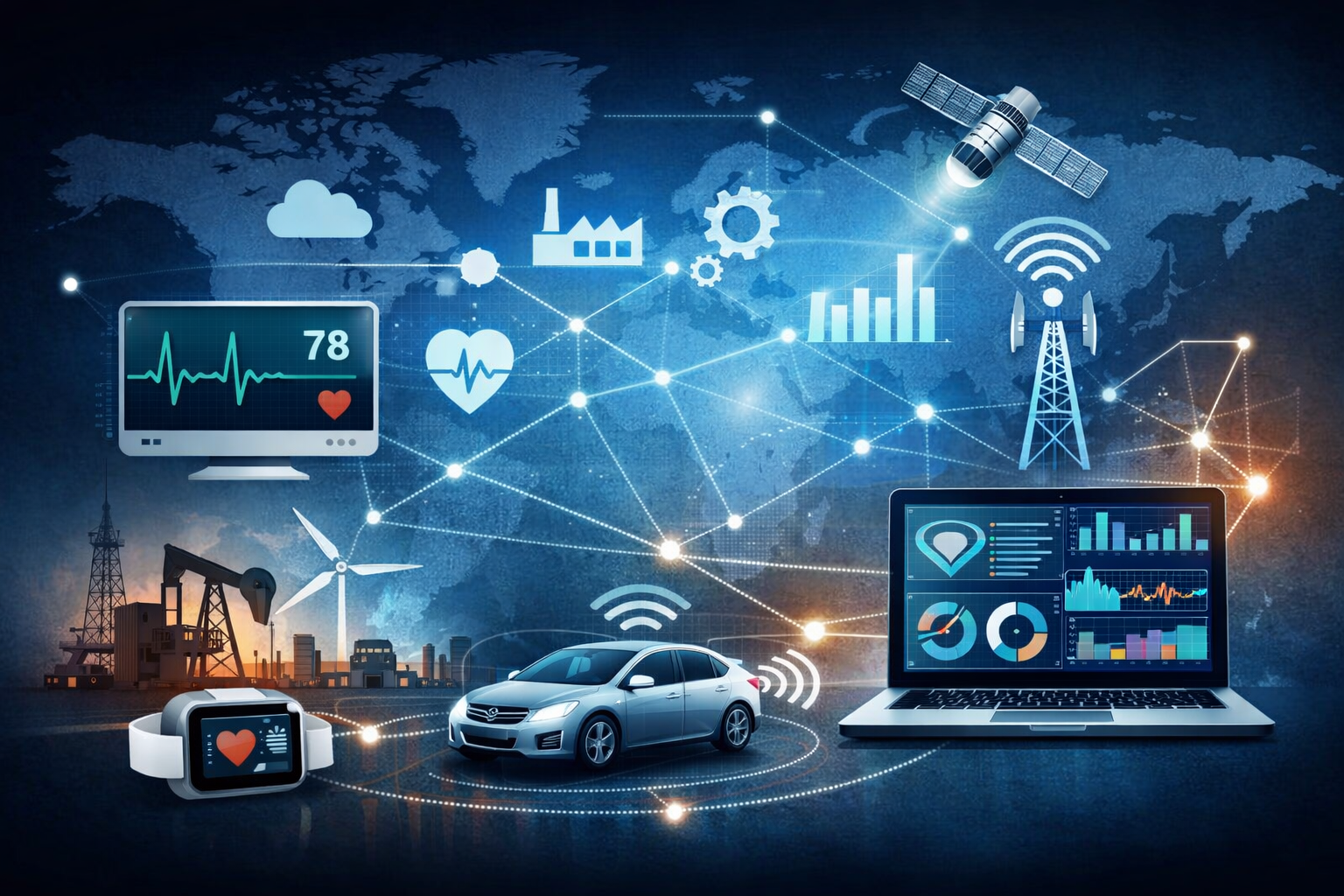
- A heart monitor sending patient data to a hospital server
- A vehicle transmitting engine performance data to a fleet dashboard
- A smart energy meter reporting usage to a utility provider
Why Telemetryczny Systems Exist
The rise of telemetry based systems is not accidental. They solve very real problems that traditional manual monitoring cannot.
Core Problems Telemetry Solves
- Human monitoring is slow and error prone
- Physical access to systems is often expensive or dangerous
- Real time data is required for modern decision making
- Scale makes manual observation impossible
Telemetryczny systems exist to provide visibility, accuracy, and continuity at scale.
Key Components of a Telemetryczny System
Understanding how these systems work helps separate realistic capabilities from marketing claims.
1. Sensors and Data Sources
These measure physical or digital values such as:
- Temperature
- Pressure
- Speed
- Heart rate
- Network latency
- Power consumption
The quality of telemetry depends heavily on sensor accuracy and calibration.
2. Transmission Layer
Data must be transmitted securely and reliably. Common methods include:
- Cellular networks
- Satellite communication
- Wi Fi or Ethernet
- Low power wide area networks
Transmission design affects latency, cost, and data loss risk.
3. Processing and Storage
Collected data is aggregated, filtered, and stored. This layer often includes:
- Time series databases
- Event processing systems
- Anomaly detection logic
Without proper processing, telemetry becomes noise rather than insight.
4. Visualization and Analysis
Dashboards, alerts, and reports allow humans or automated systems to act on the data.
Real World Applications of Telemetryczny Systems
Healthcare and Medical Monitoring
One of the most impactful uses is in healthcare.
Examples include:
- Remote patient monitoring for chronic conditions
- Wearable devices tracking vital signs
- Hospital equipment performance monitoring
Benefits include early detection of issues and reduced hospital visits, but privacy and data accuracy remain critical concerns.
Automotive and Transportation
Modern vehicles generate massive streams of operational data.
Common uses:
- Engine diagnostics
- Predictive maintenance
- Fleet optimization
- Driver behavior analysis
Telemetry in transportation improves safety and efficiency, but also raises questions about surveillance and data ownership.
Industry and Manufacturing
Factories rely on telemetry based monitoring to maintain uptime.
Applications include:
- Machine health monitoring
- Energy efficiency tracking
- Production line optimization
Downtime reduction is one of the clearest financial benefits here.
IT Infrastructure and Software Systems
In digital environments, telemetry refers to logs, metrics, and traces.
Used for:
- Performance monitoring
- Error detection
- Capacity planning
This is foundational to modern DevOps and cloud operations.
Energy and Utilities
Power grids and utilities depend on continuous monitoring.
Uses include:
- Load balancing
- Fault detection
- Consumption analytics
Smart grids would not function without telemetry based feedback loops.
Also read about Sodiceram: A Practical, User-Focused Guide.
Benefits of Telemetryczny Approaches
Continuous Visibility
Data flows continuously rather than relying on periodic checks.
Faster Decision Making
Real time insights allow quicker responses to problems.
Predictive Capabilities
Historical data enables forecasting and preventive action.
Cost Efficiency
Reduced manual inspections and fewer catastrophic failures.
Scalability
One monitoring system can oversee thousands of devices.
Limitations and Challenges
Telemetryczny systems are powerful, but not magic.
Data Quality Issues
Poor sensors or calibration errors produce misleading insights.
Security and Privacy Risks
Transmitted data can be intercepted or misused if not protected properly.
Information Overload
More data does not automatically mean better decisions.
Dependence on Connectivity
System reliability depends on network availability.
Ethical and Legal Concerns
In areas like healthcare and employee monitoring, misuse can erode trust.
Telemetryczny vs Manual Monitoring
| Aspect | Telemetry Based | Manual Monitoring |
| Speed | Real time | Delayed |
| Scale | High | Limited |
| Accuracy | Sensor dependent | Human dependent |
| Cost Over Time | Lower | Higher |
| Human Effort | Minimal | Significant |
The comparison makes clear why telemetry has become standard in complex systems.
How Organizations Implement Telemetry Responsibly
Based on observed industry practices, successful implementations share common principles.
Start With Clear Objectives
Collect only data that supports specific decisions.
Prioritize Data Protection
Encryption, access control, and compliance are non negotiable.
Validate and Test Regularly
Telemetry systems require ongoing calibration and testing.
Train People, Not Just Machines
Human understanding is essential for interpreting data correctly.
Review Ethical Implications
Transparency builds trust with users and stakeholders.
Telemetryczny in Regulatory and Standards Context
Many industries operate under regulatory frameworks that affect telemetry use.
Examples include:
- Medical device regulations
- Automotive safety standards
- Energy sector compliance rules
Common Misconceptions About Telemetryczny Systems
More Data Is Always Better
In reality, targeted data is more valuable than massive unfiltered streams.
Telemetry Replaces Human Judgment
It supports decisions but does not replace expertise.
Setup Is One Time
These systems require continuous maintenance and improvement.
Future Trends Related to Telemetryczny Concepts
While specific predictions should be treated cautiously, observable trends include:
- Increased edge processing to reduce latency
- Greater focus on privacy preserving telemetry
- Integration with machine learning models
- Standardization across industries
These trends aim to make telemetry more trustworthy and actionable.
Frequently Asked Questions
What does telemetryczny mean in simple terms?
It refers to systems that collect and transmit data automatically from remote sources for monitoring or analysis.
Is telemetry only used in technology fields?
No. It is used in healthcare, transportation, energy, manufacturing, and many other sectors.
Are telemetry based systems safe?
They can be safe if designed with proper security, validation, and ethical considerations.
Does telemetry always work in real time?
Not always. Some systems transmit data in batches depending on connectivity and design.
Can telemetry data be inaccurate?
Yes. Sensor quality, calibration, and transmission issues can affect accuracy.
Conclusion
Telemetryczny systems play a central role in how modern organizations observe, understand, and manage complex environments. From healthcare monitoring to industrial automation, the ability to collect and transmit data remotely has reshaped decision making and operational efficiency.
At the same time, these systems demand responsibility. Data quality, security, and ethical use determine whether telemetry becomes a source of insight or risk. Understanding both the strengths and limitations allows individuals and organizations to use telemetry based approaches wisely and sustainably.