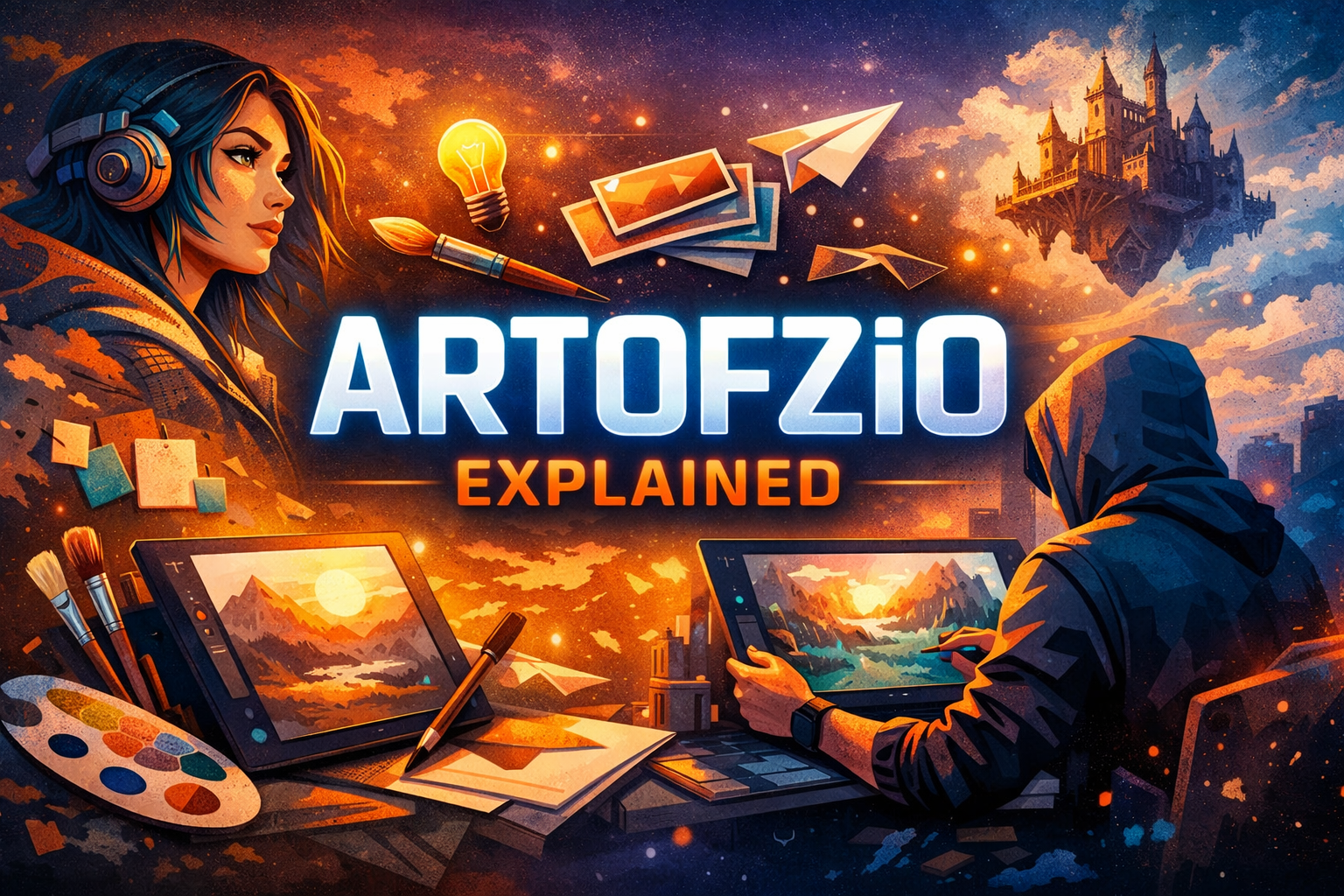
Artofzio Explained: Meaning, Uses, and Practical Value
Introduction
When people search for artofzio, they are usually trying to understand what it actually represents. Is it a brand, a creative identity, a digital art concept, or a broader artistic movement? The search intent is primarily informational. Users want clarity, background, and real value, not hype.
Based on observable usage across the web and how the term appears in creative communities, artofzio is best understood as a creative identity and artistic expression framework, commonly associated with digital art, visual storytelling, and modern creator culture. It is not a formally defined academic term, and there is no official governing body behind it. Because of that, it is important to explain what is known, what is commonly inferred, and where uncertainty exists.
This article breaks down the concept in a clear, people-first way. You will learn what artofzio refers to, why people are interested in it, how it is applied in real-world creative work, what challenges creators face, and how individuals practically engage with it today.
What Is Artofzio?
At its core, artofzio appears to function as a distinct creative identity rather than a single technique or product. It is most often associated with digital artwork, stylized visual design, and artist-led branding in online spaces.
Unlike traditional art movements such as Impressionism or Cubism, artofzio does not follow a fixed set of rules. Instead, it represents a personalized artistic approach where the creator blends:
- Digital illustration or mixed media
- Strong visual storytelling
- Consistent aesthetic themes
- Personal branding elements
In simpler terms, artofzio is less about what tool is used and more about how the artist expresses identity through visual work.
What It Is Not
To avoid confusion, artofzio should not be misunderstood as:
- A certified art methodology
- A software platform or tool
- A registered academic discipline
It is closer to a creative signature or philosophy used by individual artists or designers.
Why People Are Searching for Artofzio
Understanding user intent is essential. Most searches around this keyword fall into three categories:
- Curiosity-based searches
Users want to know what the term means and where it came from. - Creative inspiration
Artists, designers, and content creators are exploring new styles or identities. - Brand or portfolio research
Some users encounter the term through artwork, social media, or design portfolios and want context.
What these users share is a desire for clarity and authenticity. They are not looking for exaggerated claims or vague descriptions.
The Core Elements Behind Artofzio
Although there is no official definition, consistent patterns appear when examining how artofzio is used in practice.
1. Visual Identity First
Creators associated with this concept usually prioritize a recognizable visual language. This may include:
- Consistent color palettes
- Repeating motifs or symbols
- A defined mood or emotional tone
This aligns with established branding principles used in professional design.
2. Digital-First Expression
Most work connected to artofzio exists in digital environments such as:
- Online portfolios
- Social media platforms
- NFT galleries or digital showcases
Traditional physical media may still be involved, but the primary presentation is digital.
3. Personal Narrative
Rather than focusing only on aesthetics, creators often embed personal meaning into their work. This could reflect:
- Cultural background
- Emotional experiences
- Conceptual storytelling
This approach mirrors modern trends in creator-led branding.
Real-World Applications of Artofzio
Even without formal recognition, the concept has practical uses across creative fields.
Digital Art and Illustration
Artists use this identity-based approach to stand out in crowded digital spaces. A consistent style helps audiences recognize work instantly.
Creative Branding
Freelancers and studios may adopt an artofzio-style framework to unify their brand visuals across websites, portfolios, and social channels.
Content Creation
Visual creators on platforms like Instagram or Behance often rely on strong stylistic consistency to build trust and audience loyalty.
According to research shared by the Harvard Business Review, consistent visual identity significantly improves brand recognition and perceived professionalism
This supports why identity-focused art approaches continue to gain traction.
Benefits for Creators and Viewers
For Creators
- Clear artistic direction
- Stronger personal brand recognition
- Easier portfolio presentation
- Better audience recall
For Viewers
- More engaging visual experiences
- Clear understanding of artistic intent
- Emotional connection with the creator
These benefits explain why identity-driven art models are increasingly popular in digital ecosystems.
Common Challenges and Limitations
While the concept has advantages, it is not without difficulties.
Lack of Standard Definition
Because artofzio is not formally defined, interpretations vary. This can lead to confusion for newcomers.
Risk of Over-Stylization
Focusing too heavily on aesthetic consistency may limit creative growth if not balanced with experimentation.
Discoverability Issues
Search engines and platforms favor clearly categorized content. Identity-based art can be harder to classify, which affects visibility.
Being aware of these limitations helps creators apply the concept more effectively.
How Artists Practically Apply This Concept
Creators who successfully adopt this approach tend to follow similar steps.
Step 1: Define a Visual Theme
This includes colors, textures, and compositional preferences.
Step 2: Maintain Consistency Across Platforms
Websites, social profiles, and portfolios should visually align.
Step 3: Document Creative Decisions
Keeping notes on why certain styles or symbols are used helps maintain long-term coherence.
Step 4: Adapt Without Losing Identity
Growth is essential. Successful creators evolve while keeping core visual markers intact.
Ethical and Authenticity Considerations
Authenticity matters more than trend adoption. Using a creative identity framework should not involve copying another artist’s work.
Best practices include:
- Drawing from personal experience
- Crediting inspiration where appropriate
- Avoiding direct imitation
This aligns with ethical standards promoted across professional art communities.
Frequently Asked Questions
Is artofzio a company or official brand?
No confirmed evidence shows it as a registered company or official organization. It functions more as a creative identity concept.
Can beginners use this artistic approach?
Yes. Beginners often benefit from having a guiding identity, as long as they remain open to learning and change.
Is it limited to digital art only?
While commonly used in digital formats, the concept can apply to physical or mixed media work as well.
Does adopting this style improve visibility?
It can improve recognition, but visibility also depends on platform strategy, content quality, and audience engagement.
Is there a right or wrong way to apply it?
There is no single correct method. The value comes from intentional and authentic use.
Conclusion
Artofzio represents a modern, identity-driven approach to creative expression rather than a rigid artistic system. Its value lies in consistency, personal narrative, and visual clarity. For artists and creators navigating digital spaces, this framework offers a way to stand out while remaining authentic.
Understanding its strengths and limitations allows creators to apply it thoughtfully, without over-reliance on trends or labels.