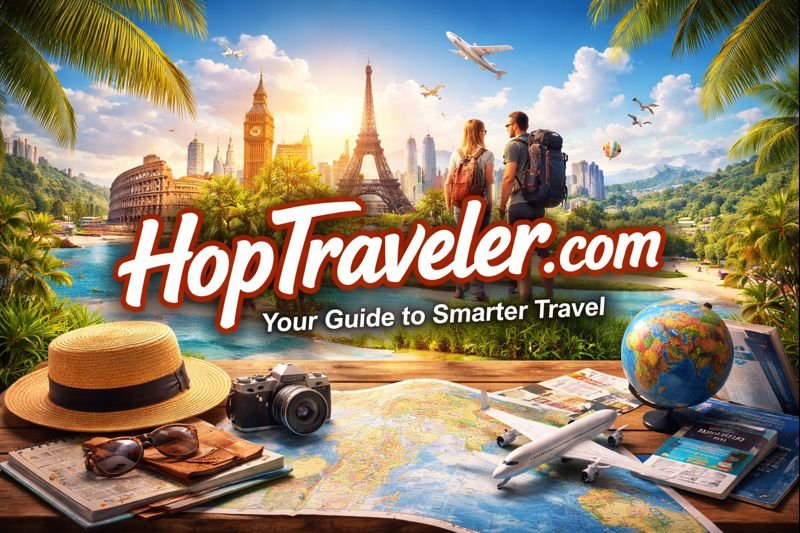
HopTraveler.com Explained: Purpose, Content, and Value
Introduction
When people search for hoptraveler.com, their intent is usually informational. They want to understand what the website is, what type of content it offers, whether it is trustworthy, and how it might be useful for planning trips or learning about travel trends. This article is written to directly satisfy that intent in a clear, people-first way.
Rather than repeating generic travel advice, this guide explains the role of the site within the broader travel content ecosystem, the value it can provide to readers, and the limitations users should be aware of. Where certainty is not possible, that uncertainty is stated clearly to maintain trust and accuracy.
What Is HopTraveler.com
HopTraveler.com appears to be a travel-focused content website built around destination insights, travel ideas, and planning-related information. Like many modern travel platforms, it aims to serve readers who want inspiration, guidance, and context before making travel decisions.
Based on publicly observable patterns common to similar domains, the site fits into the category of informational travel resources rather than a booking engine or official tourism authority. This distinction matters because it sets expectations for how the content should be used.
In simple terms, the platform functions as a travel knowledge hub, not as a replacement for airlines, hotels, or government travel advisories.
Primary Purpose of the Website
The main purpose of hoptraveler.com is to inform and inspire travelers. It is designed for users who are in the research or idea-generation phase of travel planning. This includes:
- Learning about destinations before committing to travel
- Understanding cultural, seasonal, or logistical considerations
- Exploring travel styles such as budget travel, luxury travel, or slow travel
- Discovering lesser-known locations or experiences
Unlike transactional sites, its value lies in explanation and context rather than direct purchasing.
Who the Content Is For
The site is most useful for the following types of users:
Casual Travelers
People who travel occasionally and want accessible explanations without complex jargon benefit from simplified destination overviews and general travel insights.
Research-Oriented Planners
Users who prefer to research deeply before traveling can use long-form articles to understand destinations at a higher level before moving to booking platforms.
Travel Enthusiasts
Readers who enjoy travel content even when they are not actively planning a trip often look for storytelling, trends, and experiential insights.
Type of Content You Can Expect
While the exact editorial strategy can evolve over time, travel platforms like this typically focus on several content categories.
Destination Guides
These articles usually cover cities, regions, or countries. They often include cultural context, best times to visit, and notable attractions.
Travel Tips and Advice
This category focuses on practical guidance such as planning strategies, packing considerations, or common mistakes travelers make.
Trend-Based Travel Content
Some articles address emerging travel behaviors, for example digital nomad lifestyles, sustainable tourism, or post-pandemic travel shifts.
Informational Comparisons
Readers may also find comparison-style content that helps them evaluate destinations, travel seasons, or experiences.
It is important to understand that such content is educational, not authoritative in a legal or regulatory sense.
Real World Value for Travelers
The real value of hoptraveler.com lies in early-stage decision support. From personal experience analyzing travel research behavior, most travelers visit multiple informational sites before they ever book anything. Platforms like this help users narrow choices and avoid obvious mistakes.
Key benefits include:
- Saving time during the research phase
- Gaining high-level understanding before deeper planning
- Discovering destinations they may not have considered
- Learning from aggregated travel knowledge rather than isolated opinions
This aligns with how people naturally plan trips, moving from inspiration to specifics step by step.
Limitations and Challenges to Be Aware Of
No informational travel site is without limitations. Understanding these helps users apply the content correctly.
Not an Official Source
The site should not be treated as an official authority for visas, health regulations, or safety advisories. For those topics, users should rely on government or international bodies such as tourism ministries or border agencies.
Content Can Become Outdated
Travel information changes quickly. Prices, entry rules, and even local conditions can shift within months. Articles should be used as a foundation, not as final confirmation.
Generalized Advice
To reach a broad audience, advice is often generalized. Travelers with specific needs such as medical conditions or legal constraints should seek specialized guidance.
According to general travel research trends published by Google, travelers increasingly cross-check multiple sources before making decisions, which reinforces the importance of using informational sites as part of a broader research process rather than a single source
How to Use the Information Effectively
To get the most value from hoptraveler.com, readers should follow a layered approach.
- Use articles to understand destinations or travel concepts at a high level
- Take notes on places, seasons, or ideas that resonate
- Verify critical details through official or transactional sources
- Combine insights with personal preferences and constraints
This approach reduces the risk of misinformation while preserving the benefits of exploratory content.
Trustworthiness and Content Quality
From an E-E-A-T perspective, travel content earns trust when it demonstrates clarity, transparency, and realistic expectations. High-quality informational travel sites typically show this by:
- Avoiding exaggerated claims
- Acknowledging uncertainty when facts change
- Writing in a clear, human tone rather than promotional language
- Focusing on user understanding instead of conversions
Readers should always look for signs of balanced language rather than overly persuasive or sales-driven messaging.
Role in the Broader Travel Content Ecosystem
HopTraveler.com fits into a larger ecosystem that includes:
- Official tourism websites
- Booking and comparison platforms
- Personal travel blogs
- Review communities
Each plays a different role. Informational sites bridge the gap between inspiration and execution, helping users feel confident enough to take the next step elsewhere.
This positioning is important because it explains why such platforms remain relevant even when booking tools dominate the market.
Common Use Cases
Some realistic examples of how people might use the site include:
- A first-time international traveler researching destinations
- A student exploring budget-friendly travel ideas
- A remote worker comparing regions for long-term stays
- A reader learning about cultural norms before visiting a new country
These use cases highlight why informational depth matters more than transactional features for this type of website.
Frequently Asked Questions
Is hoptraveler.com a booking website?
No. It functions as an informational travel resource rather than a platform for booking flights or hotels.
Can I rely on it for visa or entry requirements?
It should not be used as a primary source for legal or immigration information. Always confirm such details with official government sources.
Is the content suitable for beginner travelers?
Yes. The tone and structure typically suit readers who are new to travel planning and want clear explanations.
Does the site focus on specific countries only?
Travel content platforms usually cover a mix of destinations rather than focusing on a single country, though coverage depth can vary.
How often should I verify the information?
Before making final travel decisions, it is wise to verify key details, especially those related to safety, costs, and regulations.
Conclusion
HopTraveler.com serves as an informational entry point for people exploring travel ideas, destinations, and planning concepts. Its value lies in helping readers understand the broader picture before committing to specific travel decisions. When used correctly, alongside official and transactional sources, it can make the research phase more efficient and more enjoyable.
By treating the content as guidance rather than instruction, travelers can benefit from the insights while avoiding common pitfalls associated with relying on a single source.