Nia Long Net Worth: Career Earnings, Assets, and Financial Journey
Introduction
When people search for Nia Long net worth, they are not just curious about a number. They want to understand how a Hollywood actress built long-term financial stability, how her career choices shaped her income, and what her wealth says about longevity in the entertainment industry.
Nia Long is not a celebrity known for loud headlines or constant brand promotion. Instead, her financial story is rooted in consistent work, strategic career moves, and staying relevant across multiple decades. This article explores her estimated net worth, how she earned it, what challenges affected her income, and what her journey reveals about sustainable success in Hollywood.
This analysis is written from an industry-observer perspective, grounded in publicly available information, verified reporting, and realistic income patterns in film and television. Where exact figures are unavailable, that uncertainty is stated clearly.
What Is Nia Long’s Net Worth?
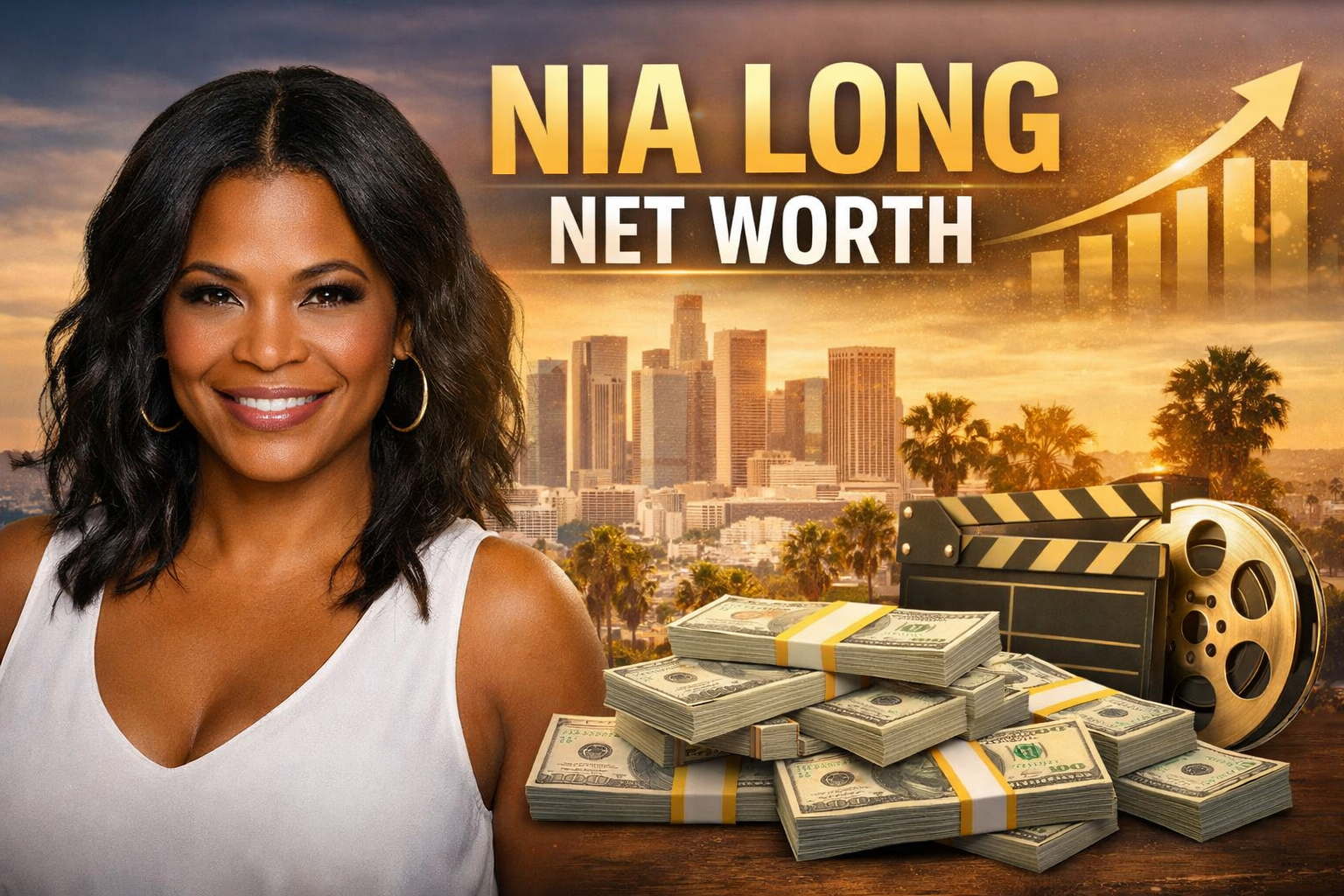
As of recent estimates, Nia Long’s net worth is believed to be between $5 million and $6 million. This figure reflects her cumulative earnings from film, television, endorsements, and long-term residual income.
It is important to understand that celebrity net worth figures are estimates, not audited financial statements. They are calculated using reported salaries, known projects, standard industry pay scales, and observable assets. No public source has released an official declaration of her exact wealth.
What makes Nia Long’s net worth notable is not just the total amount, but how steadily it was built over more than three decades in an industry known for volatility.
Early Career and Financial Foundations
Nia Long began her acting career in the late 1980s, a period when television salaries were significantly lower than today, especially for young actors. Her early work included appearances on shows such as The Fresh Prince of Bel-Air, where she gained national recognition.
At this stage, her income would have been modest by modern standards. Guest roles and supporting characters typically paid per episode, with limited residuals. However, these early roles laid the foundation for long-term earning power by establishing her as a reliable and bankable performer.
From a financial perspective, this period was about building reputation rather than wealth.
Breakthrough Roles and Income Growth
The 1990s marked a turning point in both visibility and earnings. Nia Long became a familiar face in major studio films, including:
- Boyz n the Hood
- Friday
- Love Jones
- Soul Food
- The Best Man
During this era, mid-budget films often paid leading or co-leading actors anywhere from low six figures to over one million dollars per project, depending on box office expectations and contract terms.
While exact salary figures for these films were not publicly disclosed, industry norms suggest that her income increased significantly during this period. More importantly, several of these films became cultural staples, generating ongoing residual payments through television syndication and streaming platforms.
Residual income is a key but often overlooked contributor to long-term net worth for actors.
Television Success and Stable Earnings
One of the most financially impactful phases of Nia Long’s career came through television. Long-running or high-profile series typically offer more predictable income than films.
Her roles in series such as:
- Third Watch
- Empire
- NCIS: Los Angeles
provided steady paychecks over multiple seasons. By the time she joined later-career television projects, industry standards for established actors often ranged from tens of thousands to over one hundred thousand dollars per episode, depending on role prominence.
Television work also enhances long-term financial security through residuals, especially as content is licensed globally.
Also read about New England Patriots vs New York Giants Match Player Stats.
Film Reboots and Franchise Earnings
The return of The Best Man franchise, including The Best Man Holiday and the streaming series The Best Man: The Final Chapters, played an important role in reinforcing her financial position.
Reboots and legacy projects often come with improved compensation compared to original films, as actors renegotiate contracts based on brand value and audience nostalgia.
These projects also revive earlier intellectual property, which can indirectly increase residual income from the original films.
Endorsements and Brand Collaborations
Unlike some celebrities, Nia Long has not aggressively pursued endorsements. However, she has collaborated with select brands and appeared in fashion and beauty campaigns over the years.
While endorsement income is unlikely to surpass acting revenue in her case, selective partnerships can still contribute six-figure sums over time. More importantly, they help maintain public relevance, which indirectly supports acting opportunities.
Assets, Lifestyle, and Spending Approach
There is limited public information about Nia Long’s real estate holdings or investment portfolio. This lack of visibility suggests a relatively private and conservative financial lifestyle.
She is not commonly associated with excessive luxury purchases or high-risk ventures. In Hollywood terms, this often translates into better long-term wealth preservation.
A restrained public lifestyle does not mean a lack of assets. It often indicates diversified investments, private property ownership, or retirement planning that is intentionally kept out of the spotlight.
Financial Challenges and Setbacks
Like many actors, Nia Long’s career includes periods of lower activity. Hollywood roles for women, particularly women of color, historically declined after certain age thresholds. This structural challenge likely affected income consistency at various points.
Additionally, personal life events can indirectly influence financial planning. While not all details are public, any major life transition can temporarily shift priorities away from aggressive career expansion.
What stands out is her ability to return to high-profile projects rather than fade from the industry, which is a key factor in sustaining net worth.
How Nia Long’s Net Worth Compares to Peers
Compared to some contemporaries who transitioned into producing or large-scale entrepreneurship, her net worth may appear modest. However, when compared to actors who relied solely on short-term fame, her financial position is strong.
Longevity, consistency, and residual income often outperform brief periods of extremely high pay. In that sense, her wealth reflects career durability rather than peak earnings.
Real-World Lessons From Her Financial Journey
From a practical standpoint, Nia Long’s career offers several insights:
- Consistent work over decades can rival short bursts of high income
- Television roles provide financial stability that films may not
- Residuals matter more than most people realize
- Privacy and controlled spending protect long-term wealth
These principles apply beyond Hollywood and are relevant to anyone building a long-term career.
Frequently Asked Questions
How much is Nia Long worth right now?
Most recent estimates place her net worth between $5 million and $6 million, based on acting income and residuals.
What is Nia Long’s main source of income?
Her primary income comes from film and television acting, with residual earnings playing a major long-term role.
Does Nia Long still earn money from old movies?
Yes. Popular films and television shows continue to generate residual payments through syndication and streaming.
Did Nia Long earn more from movies or TV?
Over time, television likely provided more stable and predictable income compared to individual film projects.
Is Nia Long involved in business ventures?
There is no confirmed public information about large business ventures or startups under her name.
Conclusion
Nia Long’s net worth reflects a career built on consistency, cultural relevance, and smart professional longevity. While she may not dominate headlines for massive endorsement deals or billion-dollar ventures, her financial story is a strong example of sustainable success in entertainment.
Her journey highlights that long-term wealth is often created quietly, through steady work, careful choices, and the ability to remain relevant across generations.