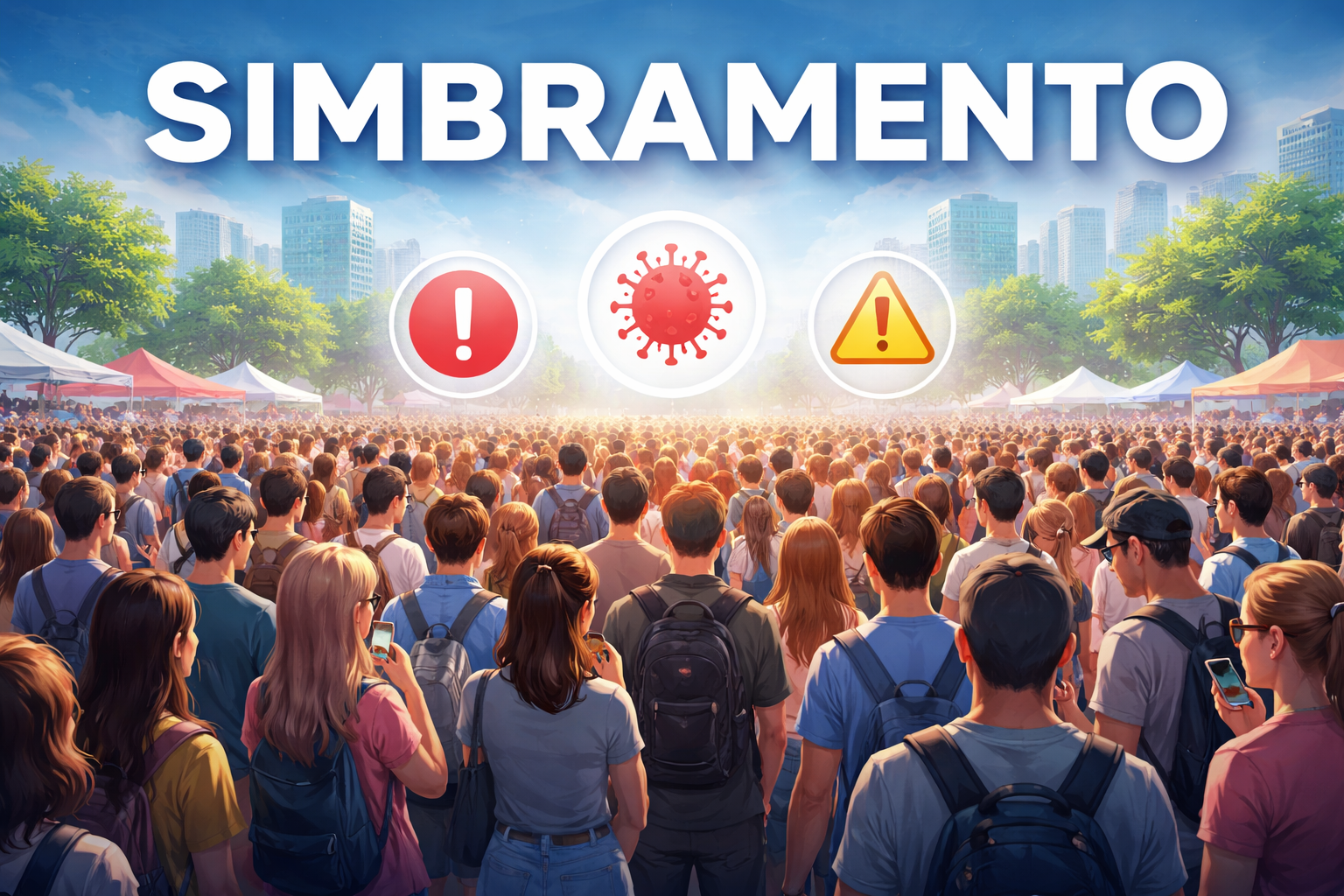
Simbramento Meaning, Uses, Risks, and Real-World Context
Understanding Simbramento in a Modern Context
The term simbramento is increasingly encountered in legal documents, news reporting, public safety discussions, and social analysis, particularly within European and Italian contexts. Despite its growing visibility, many people searching for this term struggle to find a clear, trustworthy, and well explained definition that goes beyond a dictionary meaning.
At its core, simbramento refers to the act or condition of people gathering closely together in a shared physical space, often in a way that may raise concerns related to safety, order, or public regulation. However, this definition alone is incomplete. The real meaning depends heavily on context, intent, scale, and the environment in which the gathering occurs.
Based on analysis of legal language, public policy usage, and observed real world applications, this article breaks down the concept in a practical, people-first way, focusing on how it is understood, why it matters, and how it affects everyday life.
Precise Definition of Simbramento
Simbramento is an Italian noun derived from the verb “simbrarsi,” meaning to cluster or crowd together. In practical use, it describes a physical gathering of multiple individuals in close proximity, typically in public spaces.
What separates this term from neutral words like “gathering” or “meeting” is its implicit emphasis on density and potential risk. The word often appears when authorities, media, or institutions want to highlight situations where crowding may create problems.
Key characteristics include:
- Close physical distance between individuals
- Occurrence in public or shared spaces
- Potential implications for safety, health, or public order
- Lack of structured organization in many cases
Importantly, simbramento does not automatically imply wrongdoing. The meaning becomes more serious when evaluated alongside local laws or emergency regulations.
Why Simbramento Matters Today
Interest in this concept surged during public health emergencies, especially during periods when governments introduced restrictions on crowd density. Since then, the term has remained relevant in discussions about urban design, protest management, transportation systems, and emergency preparedness.
From a user intent perspective, people typically search for this term to understand:
- Whether certain gatherings are allowed or restricted
- How authorities legally interpret crowding
- What risks are associated with dense assemblies
- How it differs from lawful assemblies or events
Addressing these concerns requires more than a surface definition. It requires context and clarity.
Legal Interpretation and Regulatory Context
In legal and administrative settings, simbramento is frequently used to justify preventive measures. Authorities may reference it when enforcing rules related to:
- Public safety
- Health regulations
- Crowd control
- Emergency response
In many jurisdictions, the presence of simbramento alone is not illegal. Instead, it becomes relevant when combined with specific conditions, such as:
- Emergency declarations
- Public health orders
- Security alerts
For example, during health emergencies, governments often restrict dense gatherings to limit transmission risks. In such cases, simbramento becomes a legally actionable condition rather than a neutral description.
Simbramento vs Similar Concepts
Understanding what this term is not helps clarify its meaning.
Simbramento vs Assembly
An assembly is often organized, permitted, and purpose driven, such as demonstrations or public events. Simbramento, by contrast, emphasizes physical clustering rather than intent or organization.
Simbramento vs Crowd
A crowd can exist without being problematic. Simbramento suggests density that may become concerning, especially when movement, access, or safety is compromised.
Simbramento vs Riot
A riot involves violence or disorder. Simbramento does not imply aggression or unrest. It is descriptive, not judgmental, unless paired with enforcement language.
Also read about New England Patriots vs Arizona Cardinals Match Player Stats.
Real World Applications
Urban Environments
In cities, simbramento commonly occurs near transport hubs, shopping areas, and tourist attractions. Urban planners study these patterns to improve flow, signage, and public space design.
Public Transportation
Platforms and vehicles during peak hours are frequent examples. While often unavoidable, authorities monitor these situations to prevent accidents.
Events and Celebrations
Festivals, concerts, and sporting events can unintentionally create dense clusters, especially near entrances and exits.
Emergency Situations
During evacuations or crises, unplanned crowding can significantly increase risk. Emergency response protocols often focus on preventing these conditions.
Benefits of Understanding Simbramento
While often framed negatively, understanding this concept has real benefits:
- Improved personal safety awareness
- Better compliance with local regulations
- More informed participation in public events
- Enhanced planning for organizers and businesses
From an experiential perspective, individuals who understand crowd dynamics are better equipped to make safer decisions in high density environments.
Challenges and Misinterpretations
One of the biggest challenges is overgeneralization. Media headlines sometimes use the term broadly, which can confuse readers into thinking any gathering is problematic.
Another issue is inconsistent enforcement. What qualifies as simbramento in one municipality may be tolerated in another, depending on context and timing.
This inconsistency often leads to uncertainty among citizens, especially travelers or event attendees.
Practical Guidance for the Public
While this article does not offer legal advice, general awareness can help individuals navigate public spaces responsibly.
Consider these practical observations:
- Observe spacing in crowded areas
- Follow posted capacity guidelines
- Be aware of local announcements during emergencies
- Avoid bottlenecks where movement is restricted
These actions reduce risk without requiring specialized knowledge.
Common Myths About Simbramento
- Myth: Any group of people counts
Reality: Density and context matter - Myth: It is always illegal
Reality: Legality depends on regulations - Myth: It implies disorder
Reality: It can occur peacefully
Clarifying these misconceptions helps prevent unnecessary fear or confusion.
Frequently Asked Questions
What does simbramento literally mean?
It refers to people clustering closely together, especially in shared spaces.
Is simbramento illegal?
Not by itself. It becomes relevant when regulations restrict crowd density.
Is simbramento the same as a protest?
No. A protest focuses on intent, while this term focuses on physical density.
Why is the term used in public health contexts?
Because dense gatherings can increase health and safety risks.
Can simbramento happen indoors?
Yes. Indoor environments often pose higher risks due to limited space.
Conclusion
Simbramento is best understood as a contextual term that describes physical crowding rather than intent or behavior. Its importance lies in how it intersects with safety, health, and public order rather than in the word itself. By understanding its real meaning, limitations, and applications, individuals can better interpret news, follow regulations, and navigate shared spaces responsibly.