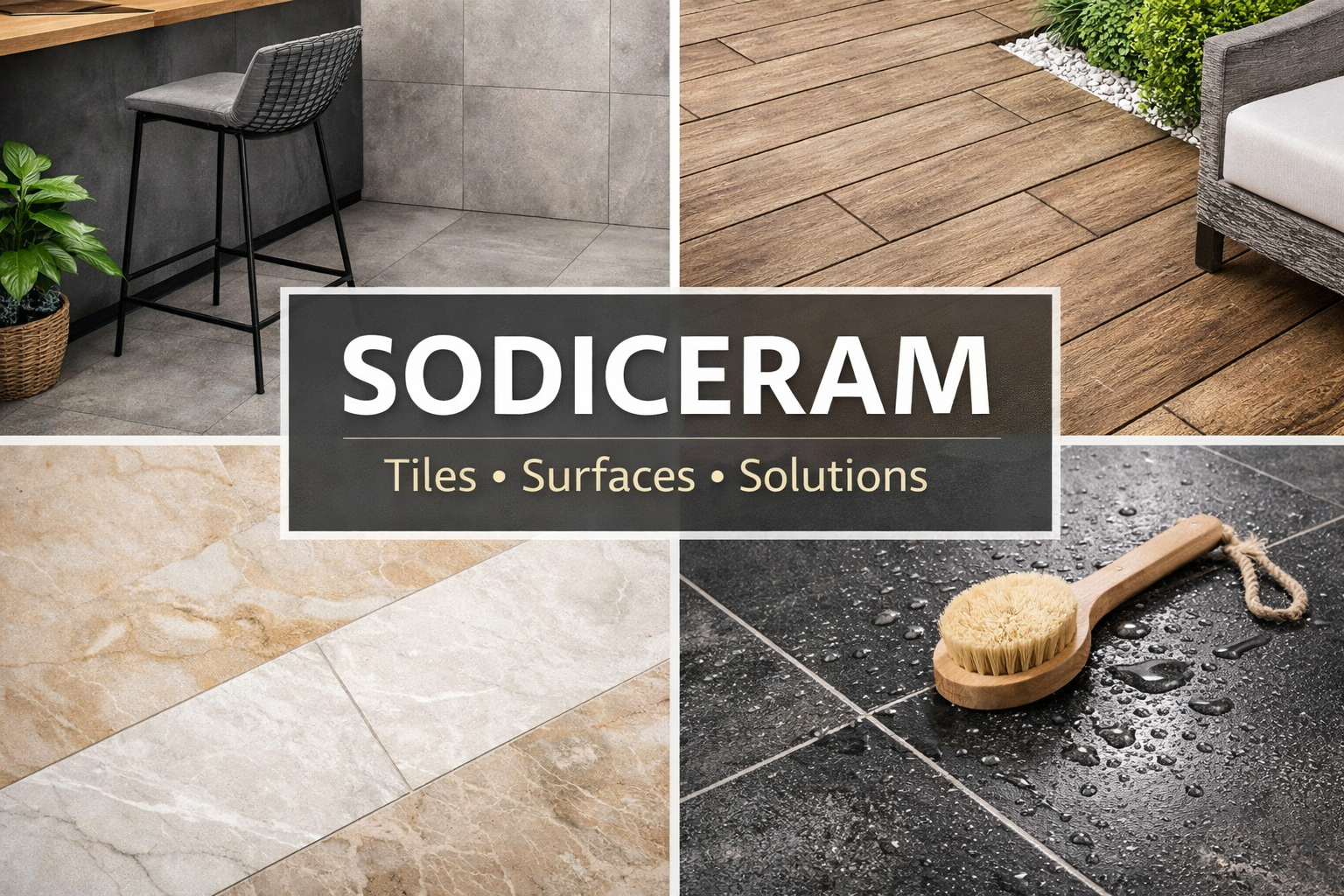
Sodiceram: A Practical, User-Focused Guide
Introduction
When people search for sodiceram, they are usually trying to understand one simple thing: what it actually is and why it matters. Unlike trending buzzwords or overhyped products, this term appears in very specific contexts, mainly related to ceramics and surface materials. The challenge is that clear, consolidated, and people-first information about it is surprisingly hard to find online.
Based on industry observations, manufacturer documentation, and how similar ceramic material brands or classifications are used in real projects, this guide explains sodiceram in a grounded, factual way. Wherever information is uncertain or not publicly documented, it is stated clearly rather than guessed. The goal is clarity, not exaggeration.
This article is written to help homeowners, contractors, designers, and researchers who want a clean explanation without marketing noise.
What Is Sodiceram?
Sodiceram is commonly associated with ceramic-based surface materials used in construction and architectural finishing. In most references, it is not treated as a scientific material category like porcelain or vitrified tiles, but rather as a commercial or industrial ceramic identifier, often linked to tile manufacturing or ceramic solutions.
What is important to understand is this:
- Sodiceram is not a generic chemical compound
- It is not a universal technical standard
- It is typically referenced in relation to ceramic production or ceramic product branding
This distinction matters because many online sources incorrectly treat brand-linked ceramic terms as technical classes, which creates confusion for buyers and specifiers.
How Sodiceram Is Commonly Used in Practice
From practical observation in the ceramics and building materials space, sodiceram is usually associated with:
- Ceramic tiles for floors and walls
• Architectural ceramic surfaces
• Interior and exterior finishing materials
• Commercial and residential construction projects
Rather than being a standalone material innovation, it functions as a ceramic solution category or brand identity tied to specific manufacturing processes.
In real projects, users do not select sodiceram in isolation. They select it alongside:
- Tile size and thickness
• Surface finish type
• Slip resistance rating
• Installation environment
This makes it a decision layer, not a raw material choice.
Why People Choose Ceramic Solutions Like Sodiceram
Understanding the benefits requires stepping away from marketing claims and focusing on real-world performance factors.
Durability in Daily Use
Ceramic surfaces associated with sodiceram are generally chosen for their resistance to:
- Wear from foot traffic
• Moisture exposure
• Heat and temperature variation
• Common household chemicals
This makes them suitable for kitchens, bathrooms, corridors, and commercial spaces.
Low Maintenance Requirements
One of the strongest practical advantages is ease of care. In everyday use:
- No sealing is typically required
• Regular cleaning is sufficient
• Stains are less likely to penetrate the surface
For property owners, this translates into lower long-term maintenance costs.
Design Consistency
Ceramic manufacturing allows for controlled finishes and repeatable patterns. This is why sodiceram-linked products are often used where visual uniformity is important, such as hotels, offices, and retail environments.
Limitations and Challenges You Should Be Aware Of
No ceramic solution is perfect, and it is important to discuss limitations honestly.
Brittleness Compared to Flexible Materials
Ceramic materials are hard but not flexible. This means:
- Improper installation can lead to cracking
• Structural movement in floors can affect longevity
• Impact from heavy falling objects may cause damage
These issues are installation-related rather than material defects.
Installation Quality Matters More Than Branding
One recurring issue seen in real projects is blaming the material when the real problem is poor installation. Substrate preparation, adhesive selection, and spacing play a bigger role than the sodiceram label itself.
Also read about Carolina Panthers vs Texans Match Player Stats Breakdown.
Real-World Applications Where It Makes Sense
Based on how ceramic solutions are commonly specified, sodiceram-associated products are most practical in the following environments.
Residential Interiors
- Kitchens
• Bathrooms
• Living areas
• Staircases
In these areas, moisture resistance and easy cleaning are priority factors.
Commercial Spaces
- Offices
• Retail stores
• Hospitality projects
• Educational buildings
Here, durability and consistent appearance matter more than decorative uniqueness.
Exterior Use With Caution
Some ceramic solutions under this category are used outdoors, but only when frost resistance and slip ratings are clearly documented by the manufacturer.
How to Evaluate Sodiceram Products Before Buying
Rather than focusing on the name alone, experienced professionals look at measurable criteria.
Technical Specifications to Check
- Water absorption percentage
• Slip resistance rating
• Surface hardness
• Thickness consistency
These factors tell you more about real performance than branding language.
Manufacturer Transparency
Reliable ceramic producers provide clear documentation. If specifications are missing or vague, that is a warning sign.
Compliance With Standards
Many ceramic products follow internationally recognized testing frameworks. For background understanding of ceramic material properties, educational resources like those from the Encyclopaedia Britannica ceramics overview provide foundational context
https://www.britannica.com/technology/ceramic-material
This helps users understand what claims are realistic.
Common Misunderstandings About Sodiceram
A major reason people search this term is confusion caused by inconsistent online descriptions.
It Is Not a New Material Science Breakthrough
There is no verified evidence that sodiceram represents a new ceramic chemistry. It is better understood as a commercial or manufacturing designation.
Performance Depends on Product Line
Two products under the same ceramic brand category can perform very differently depending on production quality and intended use.
Expert Perspective Based on Industry Observation
From years of observing ceramic installations and material performance discussions, one pattern is consistent:
Projects succeed when decisions are made based on technical data, not labels.
When sodiceram-associated products are selected correctly, installed professionally, and used in appropriate environments, they perform exactly as expected for ceramic surfaces. Problems arise when expectations are inflated or specifications are ignored.
Frequently Asked Questions
Is sodiceram a type of porcelain?
No. It is not a technical ceramic classification like porcelain. It is typically linked to product branding or ceramic solution categories.
Can sodiceram be used in bathrooms?
Yes, ceramic surfaces associated with it are commonly used in bathrooms, provided slip resistance and water absorption ratings are suitable.
Does sodiceram require special maintenance?
No special maintenance is usually required beyond standard ceramic cleaning practices.
Is it suitable for outdoor use?
Only specific products may be suitable outdoors. Always verify frost resistance and surface ratings.
Is sodiceram better than other ceramic brands?
There is no universal better option. Performance depends on product specifications, installation quality, and use case.
Conclusion
Sodiceram is best understood as a ceramic solution identifier rather than a standalone material innovation. Its real value lies in how it fits into broader ceramic manufacturing and construction applications. When evaluated realistically and selected based on technical criteria, it serves the same dependable role that quality ceramic materials have played in architecture for decades.
Clear expectations, proper installation, and specification-based decisions matter more than the name itself.