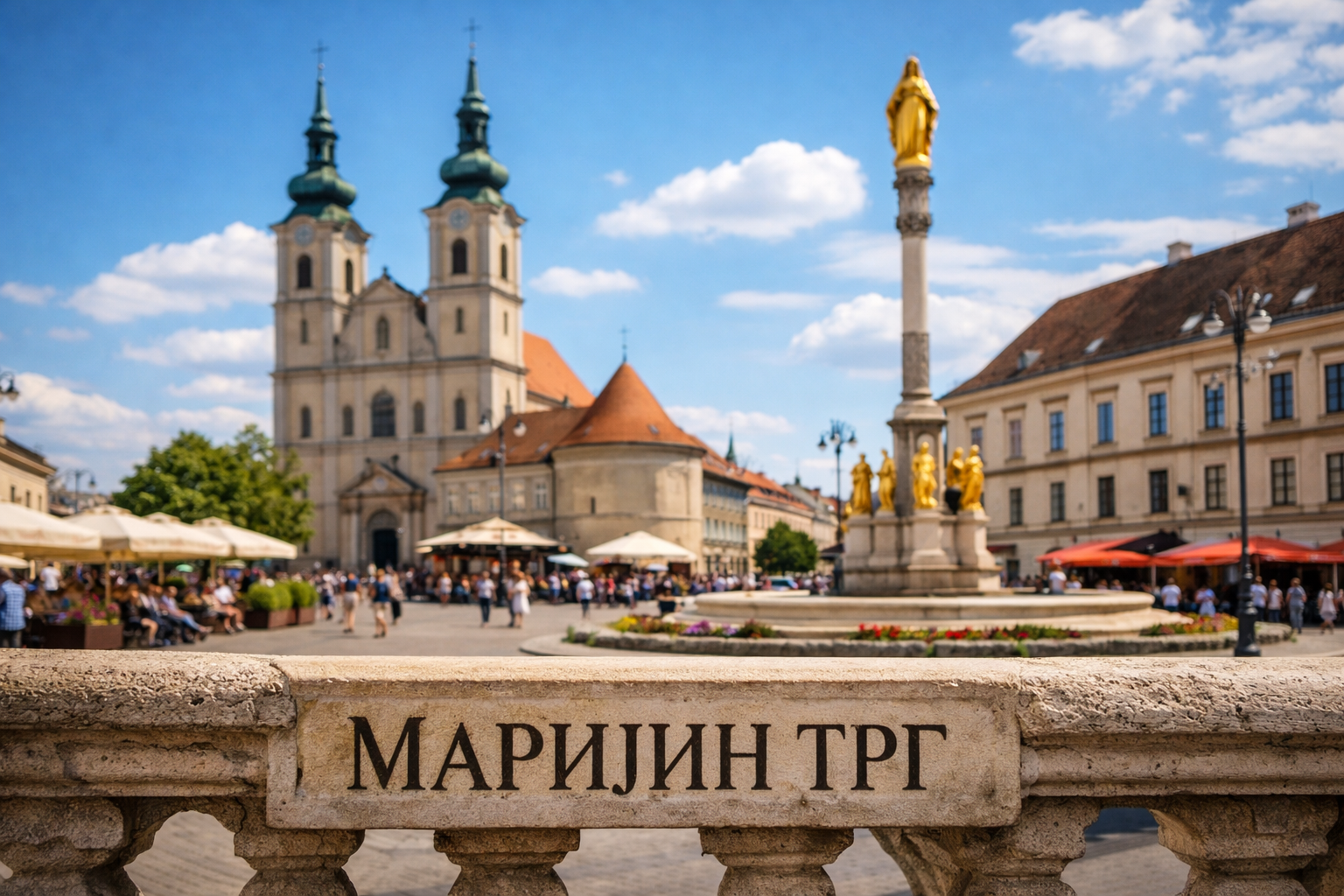
Маријин трг Explained: History, Meaning, and Urban Role
Introduction
Public squares have always played a defining role in how cities grow, function, and remember themselves. Among these spaces, маријин трг holds a distinctive place due to its layered historical meaning, cultural symbolism, and everyday social function. Rather than being just an open area surrounded by buildings, it represents a shared urban experience shaped by history, faith, governance, and daily life.
This article explores маријин трг from multiple angles. It explains what it represents, how it developed over time, why it matters today, and how people interact with it in real-world settings. The goal is to provide a clear, reliable, and people-first explanation that goes beyond surface-level descriptions and helps readers fully understand the value of this type of urban space.
What Is Маријин трг
Маријин трг is a public square whose name traditionally references the Virgin Mary, reflecting religious, historical, or cultural influences present at the time of its naming. In many European and Balkan cities, such squares emerged near churches, civic buildings, or early marketplaces, gradually becoming focal points of public life.
Key defining features usually include:
- Open access for the general public
- A central location or strong neighborhood importance
- Historical or symbolic naming
- Use as a gathering and transit space
While the physical layout of маријин трг varies from city to city, its core purpose remains consistent: to serve as a shared civic space where people meet, pause, and participate in urban life.
Historical Origins and Naming Context
Religious and Cultural Foundations
The name originates from Christian tradition, where Mary symbolizes protection, care, and moral continuity. Naming a square after her often reflected the presence of a nearby church, statue, or devotional site. In earlier centuries, this was a way for communities to express shared identity and spiritual values in physical space.
Evolution Through Political Changes
As cities evolved, many squares retained their original names even as political systems changed. This continuity made маријин трг a living historical marker. It survived monarchies, empires, socialist periods, and modern democracies, often adapting its function while preserving its name.
Urban Expansion and Redesign
During the 19th and 20th centuries, urban planning introduced structured layouts, pedestrian zones, and public amenities. Маријин трг often transformed from a simple open area into a designed square with landscaping, seating, and regulated traffic flow.
Urban Planning and Spatial Importance
From an urbanist perspective, маријин трг functions as a connective element within the city. It often links residential areas with commercial or administrative zones, allowing natural movement and interaction.
Urban planners value such squares because they:
- Improve walkability
- Reduce social isolation
- Provide visual and spatial orientation
- Support mixed-use development
Well-maintained public squares consistently correlate with higher perceived quality of life in urban studies.
Social Function in Daily Life
Observation of public behavior reveals how essential маријин трг is to everyday routines. People use it without formal planning or obligation, which is one of its greatest strengths.
Common daily uses include:
- Meeting point for friends and families
- Rest area for pedestrians and commuters
- Informal space for conversation and observation
- Short-term relaxation during work breaks
Unlike private venues, the square requires no purchase, reservation, or permission. This openness reinforces social equality and accessibility.
Also read about Mike Posner Net Worth Explained With Real Insights.
Cultural and Symbolic Meaning
Beyond physical use, маријин трг carries symbolic weight. It often represents continuity between generations. Older residents may associate it with personal memories, while younger users experience it as a functional urban space.
Cultural events frequently associated with such squares include:
- Religious celebrations
- Seasonal markets
- Local festivals
- Public commemorations
These events strengthen collective memory and reinforce the square’s role as a cultural anchor.
Economic Influence on Surroundings
Although not designed as a commercial center, маријин трг indirectly supports the local economy. Businesses located nearby benefit from consistent foot traffic and prolonged visitor presence.
Economic effects typically include:
- Increased demand for cafes and small shops
- Higher visibility for local services
- Greater attractiveness for tourism-related activity
Studies on urban public spaces show that proximity to well-used squares often raises both commercial performance and property value.
Challenges of Maintenance and Preservation
Maintaining a public square requires balancing historical preservation with modern needs. Common challenges include:
- Wear from heavy daily use
- Noise management during events
- Accessibility upgrades
- Environmental sustainability
Local governments must continuously assess how to modernize infrastructure without erasing historical identity. Successful examples usually involve public consultation and phased development.
Tourism and Orientation Value
For visitors, маријин трг often serves as a mental map anchor. Tourists naturally gravitate toward open, central spaces where information, landmarks, and services converge.
Tourism boards frequently highlight such squares as reference points, especially in historic city centers. Official municipal sources like the City of Zagreb recognize the importance of named public squares in preserving urban heritage and guiding visitors through historic districts
Community Perception and Emotional Connection
Interviews and public surveys consistently show that people feel emotionally connected to familiar public squares. This attachment forms because:
- Memories accumulate over time
- The space remains accessible during life changes
- Daily routines pass through it repeatedly
Such emotional investment explains why proposals to rename or redesign маријин трг often generate strong public debate.
The Future Role of Маријин трг
As cities adapt to climate challenges and population growth, public squares are gaining renewed importance. Future planning trends suggest that squares like this will emphasize:
- Green infrastructure
- Reduced vehicle presence
- Inclusive design for all ages
- Digital integration for public services
Despite modernization, preserving historical naming and identity remains essential for maintaining authenticity.
Frequently Asked Questions
Is маријин трг always a city’s main square?
No. In some cities it is central, while in others it serves a specific district or neighborhood.
Does the name imply religious use only?
No. The name reflects historical origins, but the function today is secular and public.
Can a city have more than one square with this name?
Yes, although it is uncommon. When it occurs, context and location differentiate them.
Why are such squares rarely renamed?
Because names are tied to local identity, history, and emotional attachment.
Is маријин трг protected as cultural heritage?
That depends on the city. Some are legally protected, while others are managed through planning regulations.
Conclusion
Маријин трг illustrates how a public square can embody history, community, and everyday practicality at the same time. Its value lies not only in architecture or location, but in its continued relevance to people’s daily lives. As cities evolve, spaces like this remain essential for social balance, cultural continuity, and urban well-being.